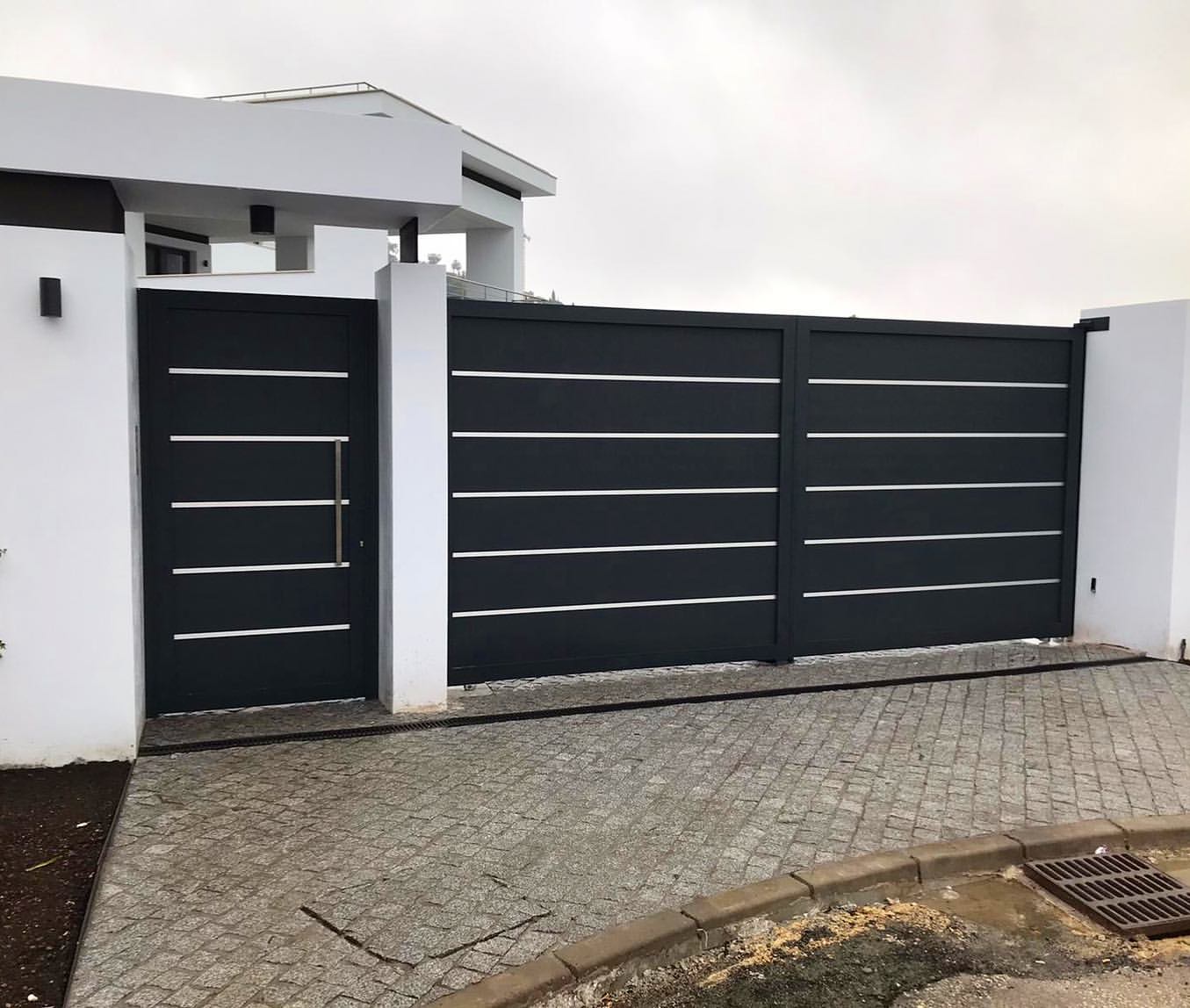

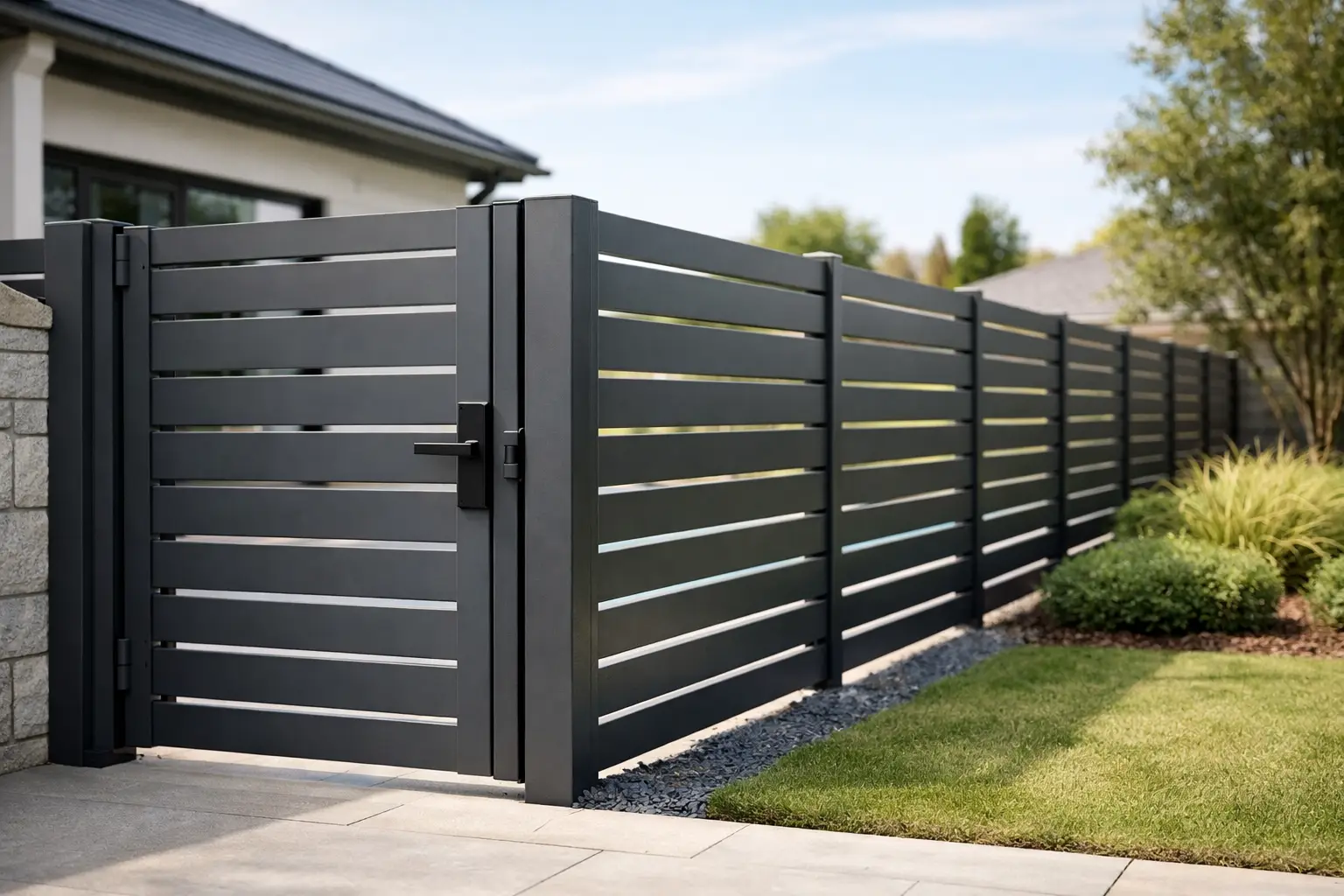
A driveway gate that looks exceptional on its own can still feel wrong once the fence goes in. The issue is rarely quality. More often, it is proportion, finish or style inconsistency. Aluminium fencing and gates matching is what turns separate products into one considered entrance solution – stronger visually, more convincing architecturally and better suited to the property as a whole.
For homeowners and commercial buyers alike, the goal is not just to buy a gate and then add fencing around it. It is to create a coordinated boundary that improves security, frames the site properly and gives the exterior a clear design direction. When that coordination is handled well, the result looks bespoke from every angle.
Why aluminium fencing and gates matching matters
Matching is about more than choosing the same colour powder coating. A gate is usually the focal point, particularly on a driveway entrance, but fencing carries that design language across the full boundary. If the gate is modern and minimal while the fence is overly decorative, the finish feels disjointed. If the fencing is too light in appearance compared with a substantial gate, the whole frontage can look unbalanced.
A well-matched system creates continuity. It makes the entrance feel deliberate rather than pieced together over time. That has a direct effect on kerb appeal, but it also influences perceived quality. Premium properties need boundaries that look designed, not improvised.
There is a practical side too. Coordinated aluminium systems tend to work better over the long term because the specifications can be aligned from the start. Heights, sightlines, infill spacing, frame depths and access requirements all need to sit comfortably together. Treating the gate and fencing as one package usually leads to a better result than sourcing them separately and hoping they complement each other.
Start with the property, not the product
The strongest matching schemes begin with the architecture of the property. A gate and fence should suit the building first, then each other. This sounds obvious, but many buyers understandably begin by focusing on the gate design in isolation.
A contemporary home with clean lines, rendered walls and large glazing generally benefits from simpler aluminium profiles, horizontal or vertical slatted designs and a restrained colour palette. A more traditional property may still suit aluminium extremely well, but the design choices need a different emphasis. You might opt for softer detailing, solid infill for privacy, or a more classic arrangement that avoids looking too stark against brick, stone or period features.
Commercial sites require the same discipline. The boundary should reflect the tone of the premises. For some locations, that means a sleek, premium entrance that reinforces brand image. For others, a more security-led specification is the priority. Good matching balances both.
Matching style, proportion and layout
When clients think about coordination, style is usually the first consideration. It matters, but proportion is often what makes the biggest visual difference.
A wide driveway gate needs fencing that can visually support it. Slim, lightweight-looking panels beside a large entrance can make the gate appear oversized. The reverse is true as well. Heavy fencing panels next to a modest pedestrian gate can overwhelm the access point and make the layout feel awkward.
That is why bespoke, made-to-measure fabrication matters. Matching works best when panel widths, rail positions and infill patterns are designed together. Repeating the same slat spacing or board effect across both gate and fence immediately creates cohesion. Likewise, carrying through the same top line, frame style or privacy level helps the entire boundary read as one system.
This is also where layout decisions become important. A driveway gate, a pedestrian gate and side fencing do not all have to be identical, but they should clearly belong to the same family. Sometimes the right answer is exact repetition. In other cases, a lighter pedestrian gate or slightly more open fencing gives the property a better balance. It depends on the scale of the frontage and how much privacy is needed.
Colour and finish – where matching can go wrong
Colour has a powerful effect on whether aluminium fencing and gates matching feels premium or purely functional. The safest route is often a consistent finish across the whole installation, especially on modern properties where clean continuity is part of the appeal.
Anthracite grey remains popular for good reason. It works with a wide range of brick tones, render colours and contemporary glazing systems. Black offers a sharper, more formal look. Some properties benefit from softer greys or bespoke finishes that sit more naturally against warmer materials.
The risk comes when colour is treated as an afterthought. A gate in one shade and fence panels in a close but not identical finish rarely looks intentional. The mismatch becomes more obvious in changing light. Texture matters too. Matt, satin and other premium finishes change the way the boundary is perceived, so consistency is key if the goal is a refined result.
There are exceptions. Contrast can work, particularly where posts, frames and infills are used deliberately to create depth. But it needs design discipline. Random variation tends to look like compromise rather than choice.
Privacy, security and visibility need to align
A matched appearance is only part of the picture. The boundary also needs to perform properly. One of the most common mistakes is combining a private, solid driveway gate with very open fencing that exposes the rest of the frontage. The products may technically match in material and colour, but functionally they are sending different messages.
The right level of openness depends on the property and the priorities. Some buyers want stronger privacy to screen gardens, parking areas or front elevations. Others prefer open slatted designs that preserve light and visibility while still defining the boundary clearly. Commercial sites may need stronger perimeter control, greater height or integration with access systems.
The best results come when these decisions are made together. A coordinated aluminium system should not only look right but deliver the same overall standard of privacy and security across the boundary. That includes thinking about gate automation, locking, intercom access and pedestrian entry from the outset.
Material quality affects the final look
Two designs can appear similar in photographs and feel completely different in person. Build quality has a major effect on how well matched fencing and gates present once installed.
Fully welded aluminium construction creates a cleaner, more substantial finish than products that rely heavily on mechanical assembly. It tends to look more precise, feel more solid and hold its visual integrity better over time. That matters when you are investing in a premium entrance solution rather than a short-term replacement.
This is where aluminium has a clear advantage over many traditional materials. It gives you a crisp, modern finish without the ongoing maintenance burden associated with timber or the corrosion concerns often linked to steel in exposed conditions. A coordinated aluminium gate and fencing scheme should continue to look sharp with far less upkeep, which supports long-term value as well as day-to-day practicality.
Bespoke design usually delivers the best match
Off-the-shelf combinations can work in simpler settings, but premium properties rarely benefit from standard sizes and generic detailing. The more prominent the entrance, the more noticeable any compromise becomes.
A bespoke approach allows the gate format to be chosen around the site conditions while keeping the fencing visually aligned. That might mean a sliding gate where space is limited, a pair of swing gates on a wider driveway, or a bi-folding or telescopic solution where speed and clearance are key. The fencing can then be designed to carry the same visual language without forcing a one-size-fits-all layout.
This consultative process is where specialist manufacturers add real value. Instead of asking which gate style looks best in isolation, the better question is what complete entrance solution suits the property, the access needs and the design brief. That is how a frontage ends up feeling properly resolved.
Getting the details right
Posts, hinges, handles, automation hardware and wall interfaces all influence the final look. They are easy to overlook early on, yet they often determine whether the installation feels polished.
Matching does not mean every detail must disappear. Some features are best integrated discreetly, while others can be expressed more boldly. The key is consistency of intent. If the gate is crisp and minimal, bulky visible hardware may undermine the effect. If the project prioritises strength and security, more substantial details may be entirely appropriate.
For buyers who want the result to feel premium from day one and stay that way, specification matters just as much as styling. That is one reason why design-led manufacturers such as Alu-Gate focus on made-to-measure fabrication, precision welding and finishes chosen to suit the property rather than forcing the property to suit the product.
A well-matched aluminium boundary does more than complete the front of a house or secure a site. It tells you the project has been thought through. Choose the gate and fencing together, and the result will look stronger, work harder and feel right for years to come.