A driveway gate is no longer just a boundary marker. It is the point where security, privacy, convenience and the first impression of a property meet. The access control trends UK homeowners and commercial decision-makers are choosing reflect that shift: systems are becoming more connected, more discreetly designed and more carefully specified around the way each site is actually used.
For a premium entrance, the aim is not to add technology for its own sake. It is to create controlled access that feels effortless for authorised visitors, reassuring for occupants and visually in keeping with the property. A well-designed aluminium gate, correctly automated and paired with the right intercom or credential system, delivers exactly that.
Access Control Trends UK Buyers Should Watch
Intercoms are becoming the control point
Video intercoms have moved well beyond a simple call button at the gate. Property owners increasingly expect to see who has arrived, speak with them clearly and grant access without walking to the entrance. For busy households, this means handling deliveries, tradespeople and unexpected callers from inside the house or while away from the property.
The strongest systems combine a high-quality camera, reliable two-way audio and app-based call handling. Akuvox intercoms, for example, can provide a refined answer for properties where remote access and a smart, contemporary entrance panel are priorities. The decision should still be led by the site. A long driveway, weak mobile signal at the entrance, multiple users or a separate pedestrian gate can all influence the best configuration.
For commercial premises, the benefit is equally clear. Reception teams or authorised staff can verify visitors before releasing a gate, creating a more controlled arrival process without placing security personnel at the boundary all day.
Mobile access is replacing the search for keys and fobs
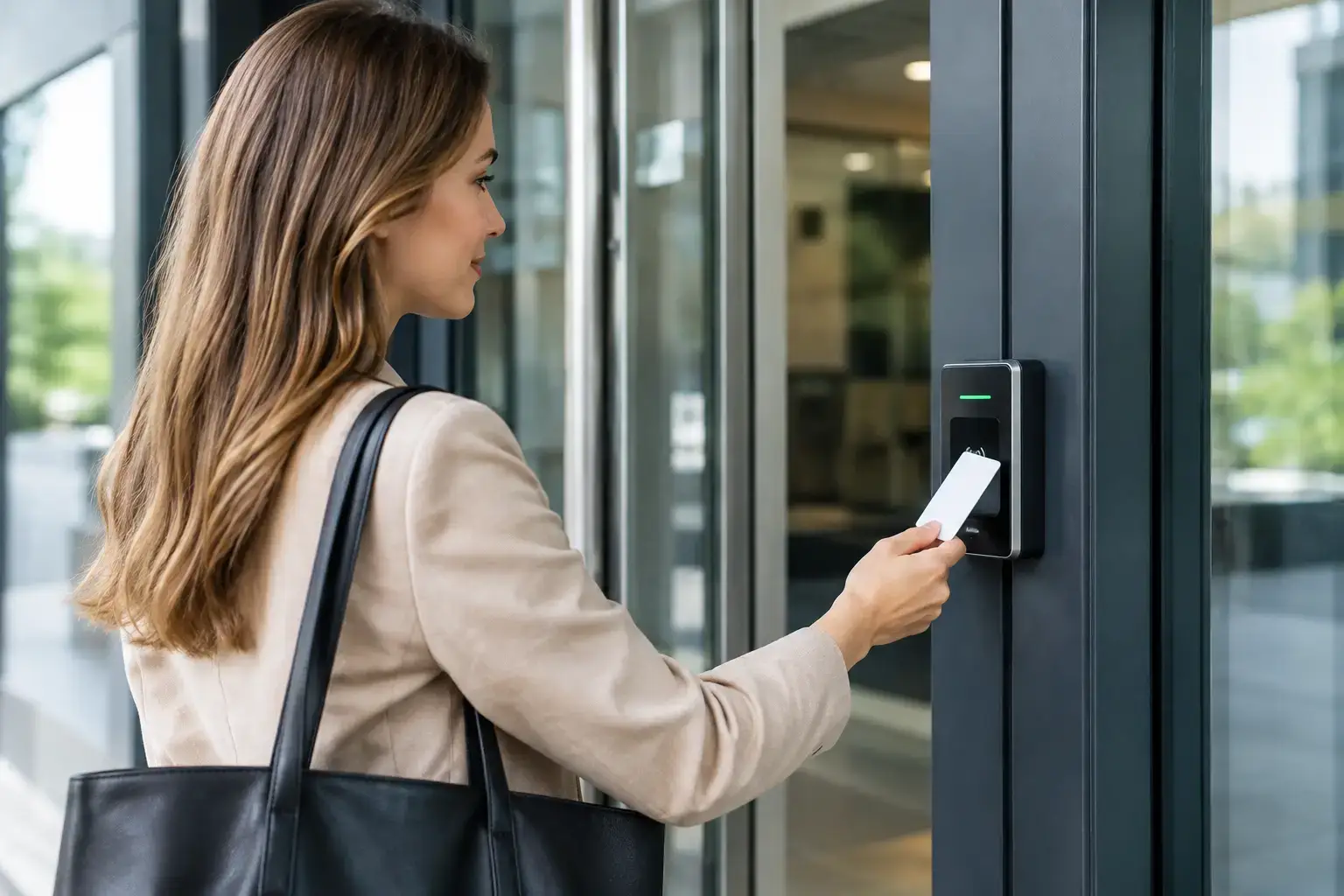
Keys and fobs remain useful, particularly where several family members, staff or service providers need straightforward access. However, mobile credentials are increasingly popular because they can be issued, removed and managed without collecting hardware back from users.
For homeowners, a phone-based system can offer welcome flexibility. A family member can let in a gardener or a delivery driver at an agreed time, while the gate remains closed to everyone else. At commercial sites, access can be tied to particular users, days or working hours.
This convenience needs sensible planning. Mobile access depends on a dependable network connection, and every system needs a practical fallback if a phone is lost, flat or unavailable. A keypad, fob or manual release should not be an afterthought. The best installations retain simple ways to enter while keeping day-to-day operation secure.
Gate automation is being specified as part of the architecture
Older automated gates were often treated as a separate addition to the gate itself. The current direction is much more integrated. Homeowners undertaking a renovation or self-build want motors, safety equipment, access panels, cabling and gate design considered together from the first conversation.
That is especially relevant with aluminium gates. Their strength-to-weight ratio supports elegant, substantial-looking designs without placing unnecessary strain on the automation. Fully welded construction also gives the gate a stable, durable framework for repeated movement. A system that looks composed on installation day should continue to operate with confidence through years of use.
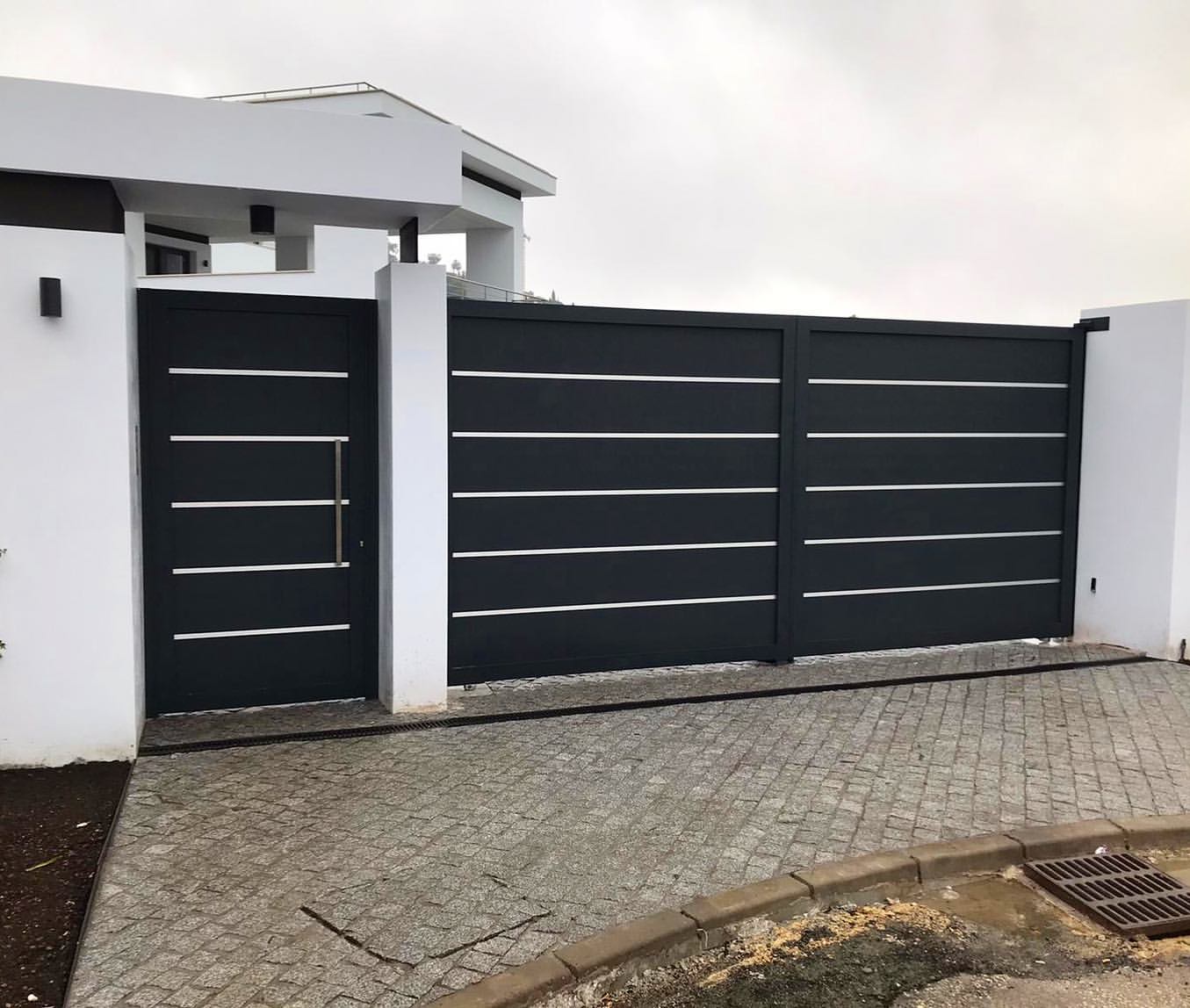
The format matters. Sliding gates are often a strong choice where a steep driveway or limited opening clearance makes swinging leaves impractical. Swing gates can create a classic, impressive entrance where space allows. Bi-folding and telescopic options suit sites needing a wide clear opening but limited run-back space. There is no universal best choice – the entrance geometry, traffic pattern and desired appearance must lead the specification.
Security Is Becoming More Layered
A gate cannot carry the whole burden of perimeter security. The most effective entrances use layers: a secure boundary, controlled vehicle access, a properly positioned pedestrian entrance, clear sightlines and lighting that supports cameras rather than overwhelms them.
This is why coordinated fencing and gate panels are gaining attention. A high-quality automated driveway gate can be undermined by an easily climbed or poorly secured adjacent boundary. Designing the entrance as one coherent system creates a stronger physical deterrent and a more polished result.
Cameras and video intercoms are part of this layered approach, but placement is critical. A camera should identify a visitor in changing light, not simply capture a distant silhouette. The access panel needs to be positioned at a sensible height and location for drivers and pedestrians. For commercial properties, consideration may also be needed for larger vehicles, separate staff access and emergency procedures.
Privacy should sit alongside security. External cameras and intercoms should be directed towards the entrance and managed responsibly. Recording more of the street or neighbouring land than necessary can create avoidable concerns. Good design protects the property without making the entrance feel intrusive.
Safety remains non-negotiable
Convenient access should never compromise safe gate operation. Automated gates need appropriate safety devices, including obstruction detection and safety edges where required, as well as professional commissioning. The exact safeguards depend on the design, weight, movement and surrounding environment.
This is one area where cutting corners is a false economy. A gate is a moving structure, often large and heavy, and it may be used by children, visitors, delivery drivers and employees who have not been trained in its operation. Choosing quality components, planning escape routes and arranging periodic inspection are essential parts of responsible ownership.
Design-Led Technology Is Replacing Visible Clutter
The most desirable access control systems now do their job quietly. Instead of a collection of mismatched boxes, exposed wiring and bolt-on accessories, buyers want integrated technology that complements the entrance.
A slim intercom panel can be selected to suit the gate finish. Keypads and readers can be positioned within a purpose-designed post or adjacent fencing detail. Cabling can be planned before groundwork and landscaping are completed. These details make a significant difference, particularly on contemporary homes where clean lines are central to the architecture.
Colour coordination is also moving up the agenda. Powder-coated aluminium gates can be finished to complement window frames, front doors, railings or cladding, while the access equipment is chosen to sit comfortably within that palette. Security equipment does not need to interrupt kerb appeal. When specified early, it can become part of the design language.
The Shift Towards Lower-Maintenance, Long-Life Entrances
Property owners are looking beyond the purchase price and asking a better question: what will this entrance demand over the next decade or two? This is driving interest in materials that withstand British weather without the regular repainting, warping or deterioration associated with some traditional alternatives.
Premium aluminium is well suited to this expectation. It does not rust, and a quality powder-coated finish is designed for lasting colour and protection with modest routine care. That low-maintenance advantage is valuable when a gate also carries automation and access control, because it helps maintain consistent alignment and dependable movement over time.
The technology itself still requires attention. Intercom software, user permissions, batteries and safety components should be checked periodically. A long-lasting gate provides the right foundation, but reliable access control comes from treating the complete system as an asset that deserves ongoing care.
How to Specify an Entrance That Will Not Date Quickly
Start with how the property works on an ordinary week. Consider who arrives by car, who enters on foot, how often deliveries take place, whether users need remote access and what should happen when power or connectivity is interrupted. This produces a much clearer brief than choosing an intercom or gate style in isolation.
Next, establish the physical constraints: driveway gradient, available opening space, ground levels, drainage, existing walls and the route for power and data. Early decisions here can prevent expensive compromises later. It is also the right time to decide whether the pedestrian entrance should be independent, integrated or separately controlled.
Finally, choose quality that matches the ambition of the property. Bespoke fabrication, precision welding and a durable finish are not decorative extras. They affect how well the gate holds its form, how confidently it operates and how the entrance looks years after installation. At Alu-Gate, a made-to-measure approach allows the gate, fencing and access control to be considered as one tailored solution, supported by a 20-year guarantee.
The right entrance should make arriving home feel simpler, not more complicated. Specify the technology around real routines, give safety and reliability the attention they deserve, and let the design create a boundary that is as impressive as it is dependable.