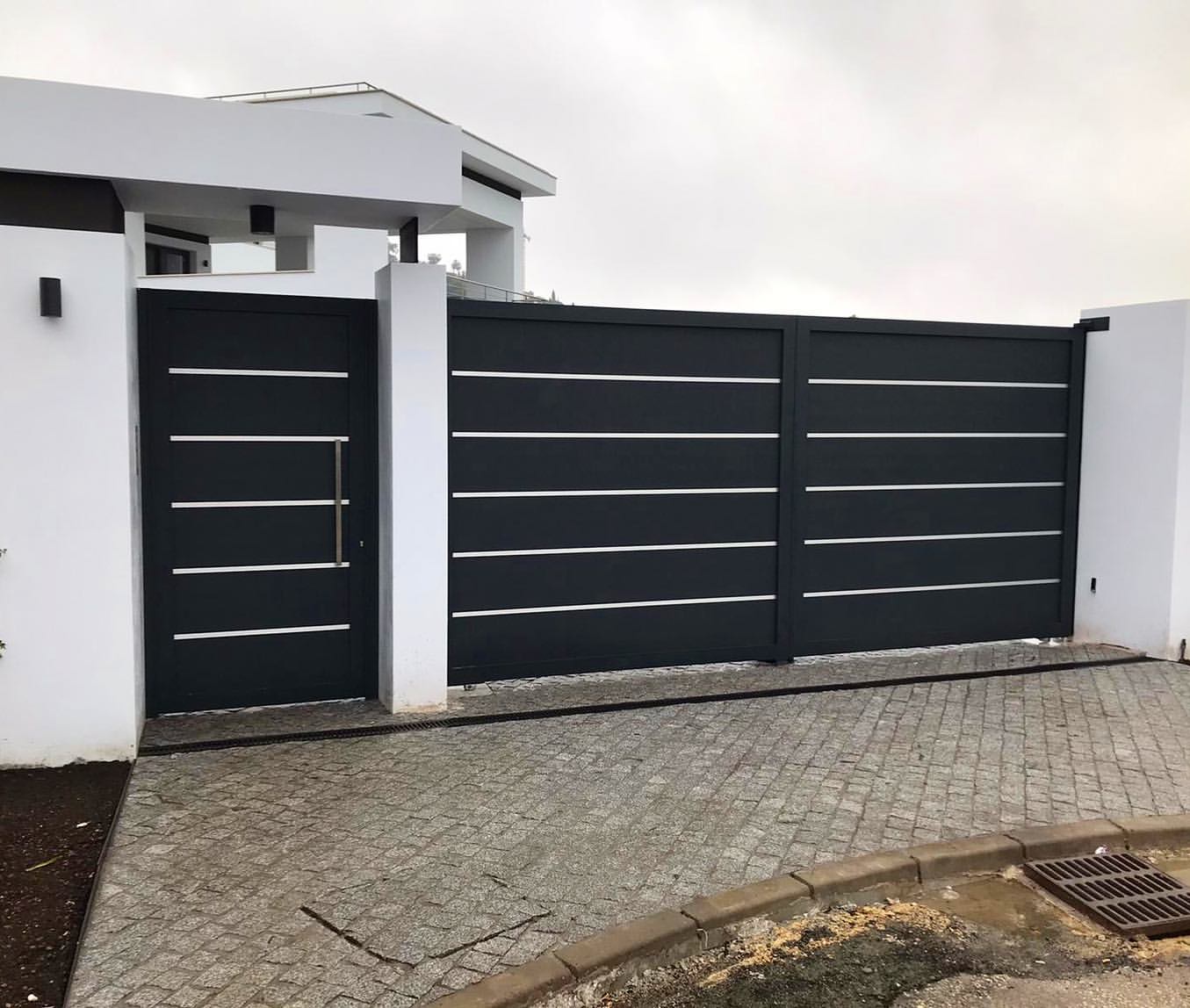

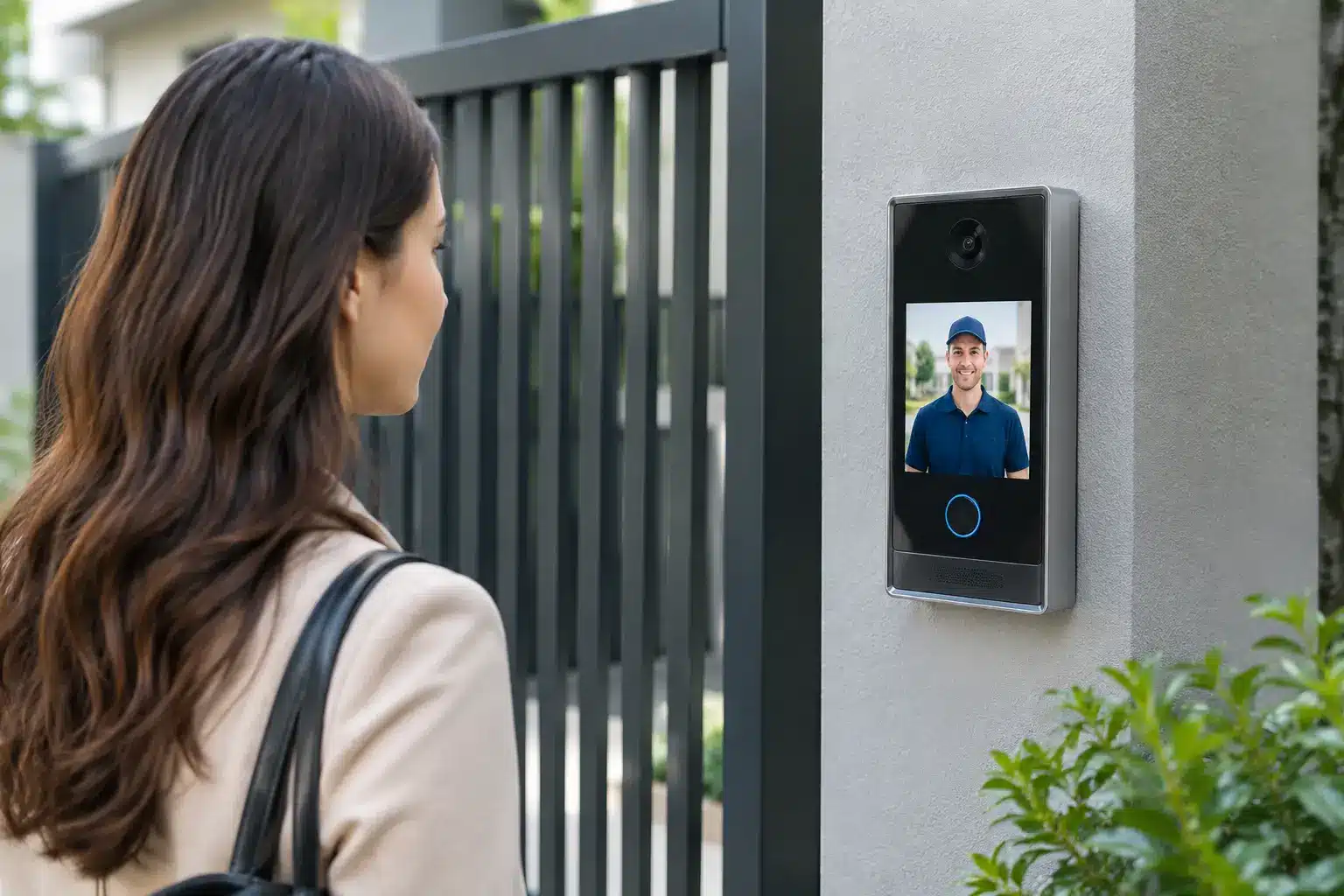
A gate should create a clear boundary, not a daily inconvenience. A considered video intercom gate review looks beyond the screen at the entrance: it asks how reliably visitors can be identified, how the gate will be released, and whether the system suits the property for years rather than merely looking impressive on day one.
For a premium driveway or pedestrian entrance, video access control is part of the overall specification. The right unit can add confidence, convenience and a smarter arrival experience. The wrong one can leave you with patchy audio, poor night-time images or an expensive gate that still needs someone to walk outside to answer it.
What a Video Intercom Gate Review Should Test
The best video intercom is not necessarily the one with the largest screen or the longest feature list. It is the one that works consistently at your gate line, with your preferred method of access and the realities of your site.
Start with the approach. A visitor may be standing in full sun, beneath a porch, or beside a busy road. Delivery drivers might call while you are at work, and guests may arrive after dark. The camera, microphone and call function must cope with each situation without demanding perfect conditions.
It is also worth separating two common requirements. Some homeowners simply need to see and speak to a visitor before releasing a gate. Others want an integrated access system for family, staff, contractors or multiple occupiers, using keypads, fobs, cards or smartphone credentials. Both are valid, but they call for different levels of specification.
Image quality is about useful detail
A high-resolution camera is valuable, but resolution alone does not guarantee a useful image. Look at the camera angle, how it handles strong backlight, and the quality of its night vision. A caller standing close to a tall entrance post can be framed badly by a poorly positioned camera, while wide-angle lenses can make faces appear smaller than expected.
The most useful test is straightforward: can you identify a person clearly at the normal calling position, in daylight and after dark? If the entrance sits close to a public road, consider whether the view can be adjusted to focus on the caller rather than constantly capturing passing traffic.
For larger properties, a camera view at the gate can also reduce uncertainty when the bell rings. That benefit is particularly relevant where the house is set back from the boundary or the entrance cannot be seen from main living areas.
Audio must be clear at a real gate line
Two-way communication needs to work when there is wind, rain, road noise or a vehicle idling at the entrance. Specifications can be persuasive, but practical placement matters just as much. Recessing a unit too deeply, positioning it beside a noisy motor or choosing a calling point exposed to prevailing weather can affect clarity.
A well-planned installation allows the caller to speak naturally, while the resident can hear a response without repeated requests to speak up. For commercial premises, where reception teams may deal with couriers and visitors throughout the day, clear audio is not a luxury. It keeps arrivals moving and avoids unnecessary gate openings.
Access Options: Convenience Without Compromise
Video is only half the decision. The other half is how authorised people gain entry. A single household may prefer a discreet keypad alongside app-based access. A busy commercial site may need fobs or cards that can be issued, managed and removed as personnel change.
Remote gate release from an indoor monitor is still an excellent choice for many homes. It is immediate, familiar and does not rely on a phone being charged or within reach. Smartphone calling adds another layer of flexibility, allowing residents to answer visitors when away from home. It can be particularly useful for planned deliveries, gardeners and tradespeople, but it should support a properly designed system rather than replace it.
Think carefully about who needs access and when. A pedestrian gate may need a different arrangement from a powered driveway gate. Children, older relatives and regular visitors may value simple credentials over an app. For rental properties or commercial premises, the ability to revoke access promptly can matter more than a long list of consumer features.
A premium entrance should feel effortless for authorised users while remaining deliberately difficult to bypass. That balance comes from the combined choice of intercom, lock or automation equipment, gate construction and installation detail.
Wired or Wireless Video Intercoms?
Wireless systems have their place. They can be useful where a straightforward retrofit is required and running a cable between the house and gate would be disruptive. For a modest pedestrian entrance, they may provide a practical route to video calling without extensive groundwork.
Their trade-off is dependency. Signal strength can be affected by distance, masonry, metalwork, landscaping and the layout of the property. Battery-powered units also introduce a maintenance task that many owners would rather avoid. A device that works perfectly during setup may be less dependable after changes to the Wi-Fi network, a weak signal or a cold winter.
For new gates, renovation projects and high-value entrance systems, a wired installation is usually the stronger long-term choice. It offers a more dependable connection, avoids routine battery charging and gives greater scope for a polished, integrated finish. Cabling can be planned discreetly within posts, walls and underground ducting before the final surfaces are completed.
This does not mean wireless is always unsuitable. It depends on the site, the required functions and the acceptable level of maintenance. The key is to assess the signal where the intercom will actually sit, not at the kitchen table.
How the Intercom Works With Your Gate
An intercom should be selected alongside the gate system, not added after the design has been finalised. The equipment needs to communicate correctly with the chosen automation, electric strike, magnetic lock or other access hardware. Release timing, safety controls and pedestrian access all need to be considered.
For example, opening a sliding driveway gate for a visitor requires different logic from releasing a locked garden gate. A powered gate should operate through the appropriate controls and safety measures, with the intercom providing an authorised command rather than bypassing the system. A pedestrian gate may need a lock that remains secure under daily use but releases cleanly from the internal monitor.
There is an aesthetic consideration too. An entrance panel should complement the gate, posts and surrounding architecture. On a bespoke aluminium system, cable routes, mounting heights and equipment positions can be designed in from the outset. The result is cleaner than a last-minute surface-mounted unit with visible conduit and compromised sightlines.
Alu-Gate specifies access solutions as part of the wider entrance design, including Akuvox intercom options where the project calls for them. That joined-up approach helps ensure the gate, access control and finish work as one considered installation.
Build Quality and Weather Resistance
UK weather exposes weak points quickly. A gate intercom faces rain, frost, direct sun, airborne dirt and, in coastal locations, salt-laden air. The housing should be designed for external use, with suitably rated protection against water and dust. Equally, its buttons, camera lens, speaker grille and fixings need to remain presentable after years at the boundary.
Do not focus only on the outdoor panel. Ask where the power supply, network equipment and control connections will be housed. These components need an appropriate, accessible and protected location. A system is only as reliable as its least protected connection.
For coastal, rural or exposed sites, specify with even greater care. Wind-driven rain and environmental exposure can change what is sensible. In some cases, a sheltered mounting position or purpose-designed post will offer better service life without affecting usability.
Installation Details That Affect Daily Use
Installation quality is often the difference between a premium system and a frustrating one. Calling height should suit the people expected to use it, while camera positioning must account for gate piers, vehicles and the direction of arrival. At night, nearby lighting should illuminate the caller without causing glare in the lens.
The location of the internal monitor deserves equal thought. Place it where calls can be answered quickly, not where it looks neat on a drawing but is ignored in practice. Larger homes may benefit from more than one internal point, while app-based calling can provide useful coverage in garden offices or upper floors.
Before work begins, establish who is responsible for each element: groundwork, ducting, electrical supply, network provision, gate automation and final commissioning. Clear responsibility avoids the familiar problem of a beautiful finished gate waiting on a missing cable or unsuitable power connection.
The Verdict: Prioritise Reliability Over Novelty
A strong video intercom gate review should leave you with a clear brief, not simply a preferred brand. Prioritise a dependable wired connection where feasible, genuinely useful night-time video, clear audio and access methods that suit the people using the property. Then make sure the system is specified around the gate, not bolted on afterwards.
The most successful entrances combine security with a sense of arrival. When the gate, intercom and access controls are designed together, every visitor experience begins with the same message: this property has been finished with care, purpose and lasting quality.