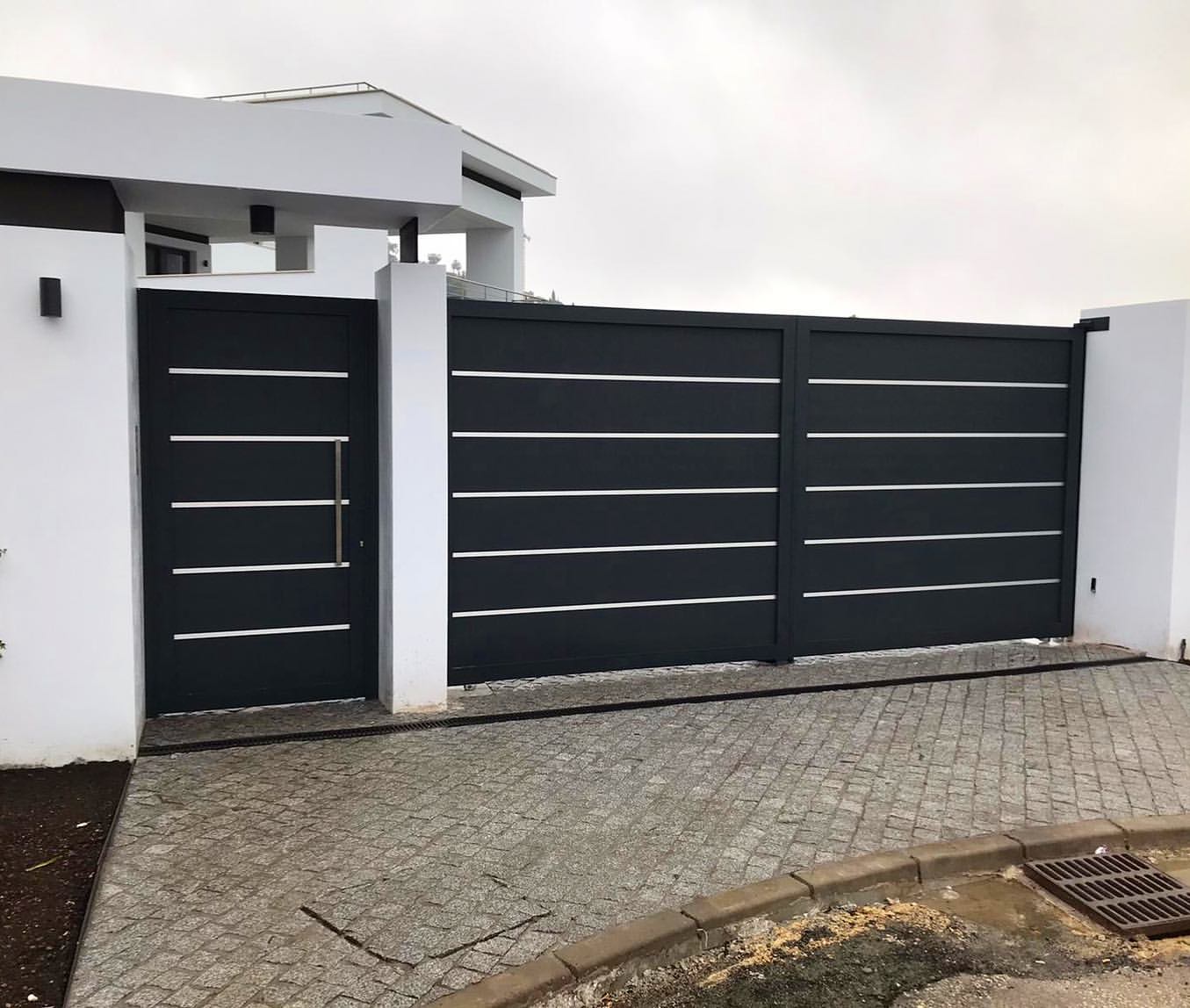

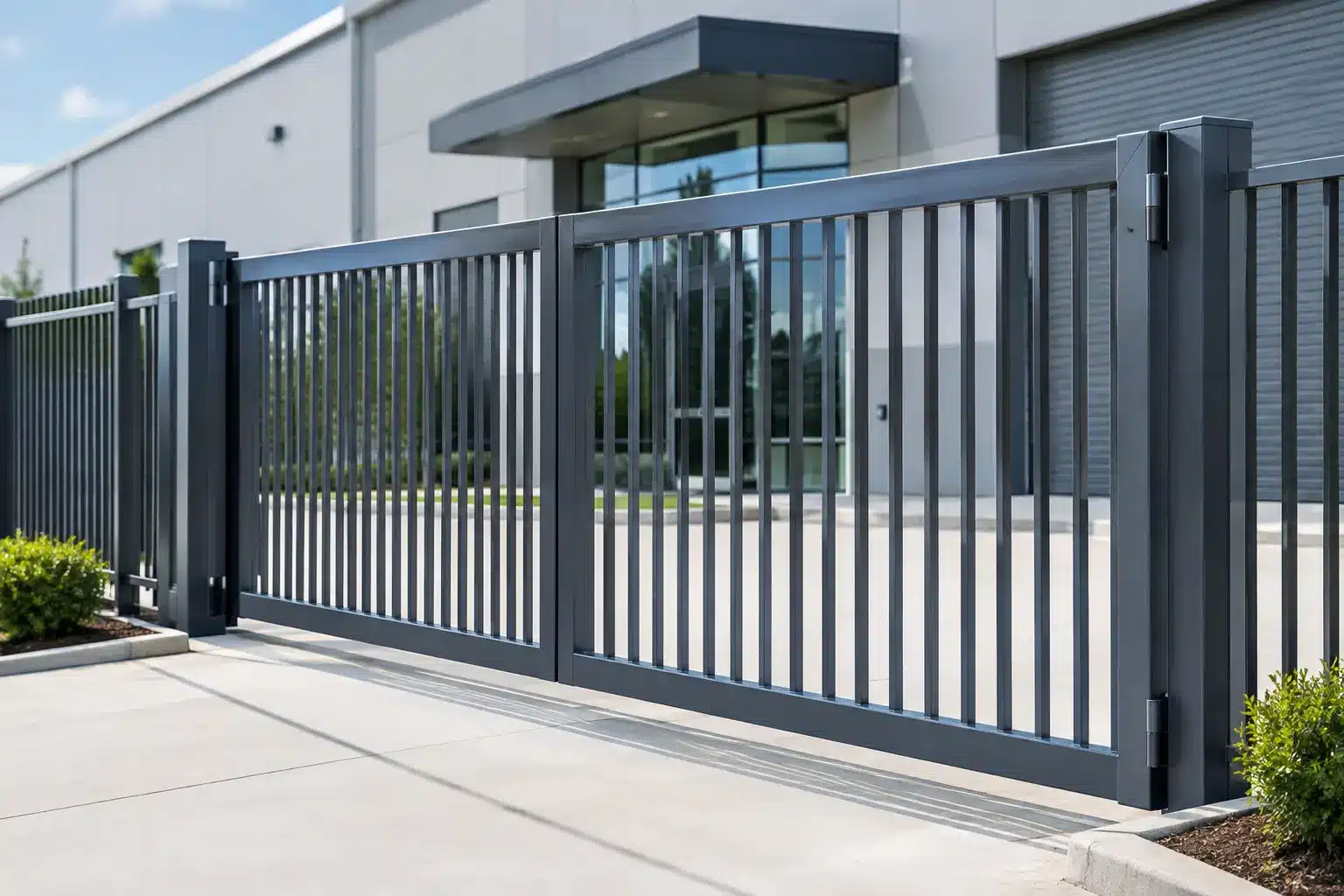
Sliding or Swing Gate for Driveway?

Sliding or Swing Gate for Driveway?

A gate can transform the front of a property in a single decision. Get it right, and it sharpens security, improves daily access and gives the whole entrance a more considered finish. Get it wrong, and even a premium installation can feel awkward to use. If you are weighing up a sliding or swing gate for driveway access, the best option is rarely about appearance alone. It comes down to space, levels, traffic, automation and how you want the entrance to perform over time.

For some properties, a pair of swing gates is the obvious answer. For others, only a sliding system will work cleanly and reliably. The key is choosing a gate style that suits the site rather than forcing the site to suit the gate.

Sliding or swing gate for driveway – what is the difference?

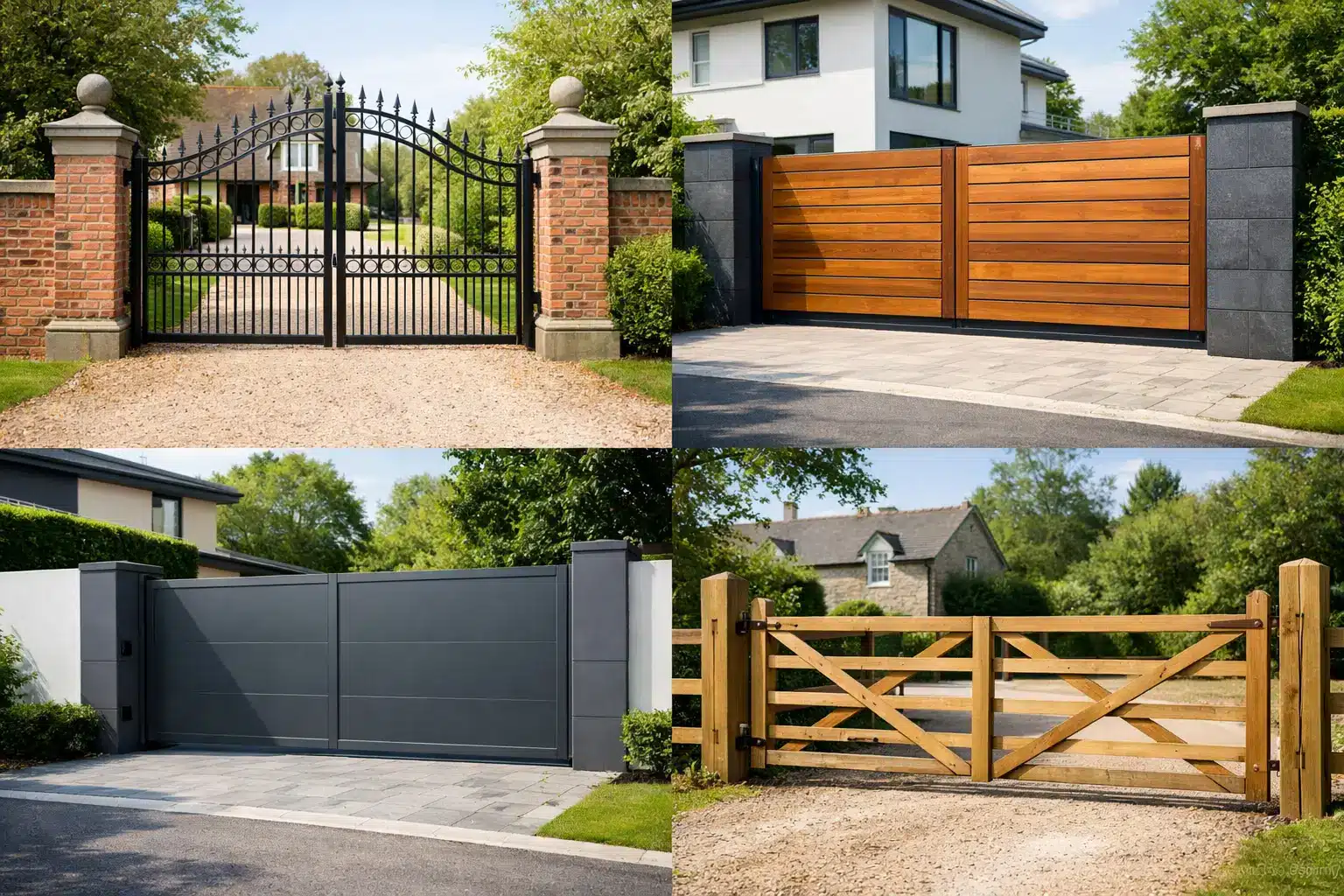
A swing gate opens inwards or outwards on hinges, much like a traditional door. It can be a single leaf or, more commonly on residential driveways, a pair of gates meeting in the middle. Swing gates are familiar, elegant and often well suited to homes where there is enough clear space for the gates to open without obstruction.

A sliding gate moves sideways along the boundary line instead of opening into the driveway. Depending on the design, it may run on a track or use a cantilever system. This format is especially useful where space in front of or behind the gate is limited, or where the driveway rises sharply.

Both options can be automated, both can be made to measure, and both can deliver excellent security and visual impact. The difference lies in how they interact with the layout of your entrance.

When a swing gate is the better choice

Swing gates remain a popular choice for good reason. They suit a wide range of property styles, from contemporary builds to period homes, and they create a balanced, architectural look across the entrance. On a flat driveway with adequate clearance, they are simple, effective and visually impressive.

If your driveway has room behind the gates for the leaves to open fully, a swing system can feel natural in daily use. It also allows for a clean frontage without the side run-back area a sliding gate requires. For many homeowners, this matters because the gate becomes part of the wider landscaping rather than a purely functional barrier.

There is also a design advantage. Swing gates often lend themselves particularly well to symmetrical layouts, wider entrances and statement driveways. When made in aluminium with a fully welded construction and a premium finish, they offer the traditional appeal of hinged gates without the maintenance burden associated with timber or steel.

That said, swing gates are not right for every site. If the ground slopes up steeply behind the entrance, the gate leaves may catch or require complex adjustments. If cars regularly stop close to the gate line, opening clearance can become a practical annoyance rather than a minor detail.

Best-fit scenarios for swing gates

Swing gates tend to work best where the driveway is level, the entrance is reasonably open, and the property benefits from a classic or formal approach to design. They also suit buyers who want a strong visual statement at the front boundary without needing side space for a sliding mechanism.

When a sliding gate makes more sense

A sliding gate is often the more practical engineering solution. If your driveway climbs immediately after the entrance, a swing gate may simply not operate cleanly. A sliding gate avoids that issue because it moves laterally rather than sweeping across the ground.

It is also an excellent option where space is tight. On shorter driveways, there may be little room for a vehicle to wait while swing leaves open inwardly. If the entrance opens directly onto a road and there is no safe or compliant way for gates to open outwards, sliding can solve the problem neatly.

From a security perspective, sliding gates are often seen as a strong choice because the system is inherently harder to force at the leading edge than some lighter hinged alternatives. In high-use settings, including commercial premises or larger residential entrances, they also offer controlled, consistent operation.

A sliding gate does, however, need enough lateral space for the gate to stack when open. That side run can be overlooked at the planning stage. If there is a wall return, planting scheme, meter box or change in boundary line, the available travel distance may be reduced. This is why accurate site assessment matters so much.

Best-fit scenarios for sliding gates

If your entrance is on a slope, your driveway is short, or your property needs a more space-efficient opening method, sliding is often the stronger choice. It is particularly effective on modern properties and premium driveways where clean lines and controlled access are priorities.

Space, levels and layout matter more than style

Many buyers begin by asking which gate looks better. In practice, the better question is which gate will work properly on the site. A well-designed gate should feel effortless in use. That only happens when the layout has been considered from the beginning.

Ground levels are usually the first deciding factor. Even a modest rise across the swing arc can rule out standard hinged gates. Vehicle movement is the next. If cars need to pull off the road quickly, the opening speed and footprint of the gate become important. Then there is side clearance, boundary walls, pedestrian access and whether you want integrated controls such as an intercom or keypad.

This is where bespoke design makes the difference. A made-to-measure aluminium system allows the gate format, dimensions and detailing to be tailored to the entrance rather than selected from a limited standard range.

Automation, maintenance and long-term ownership

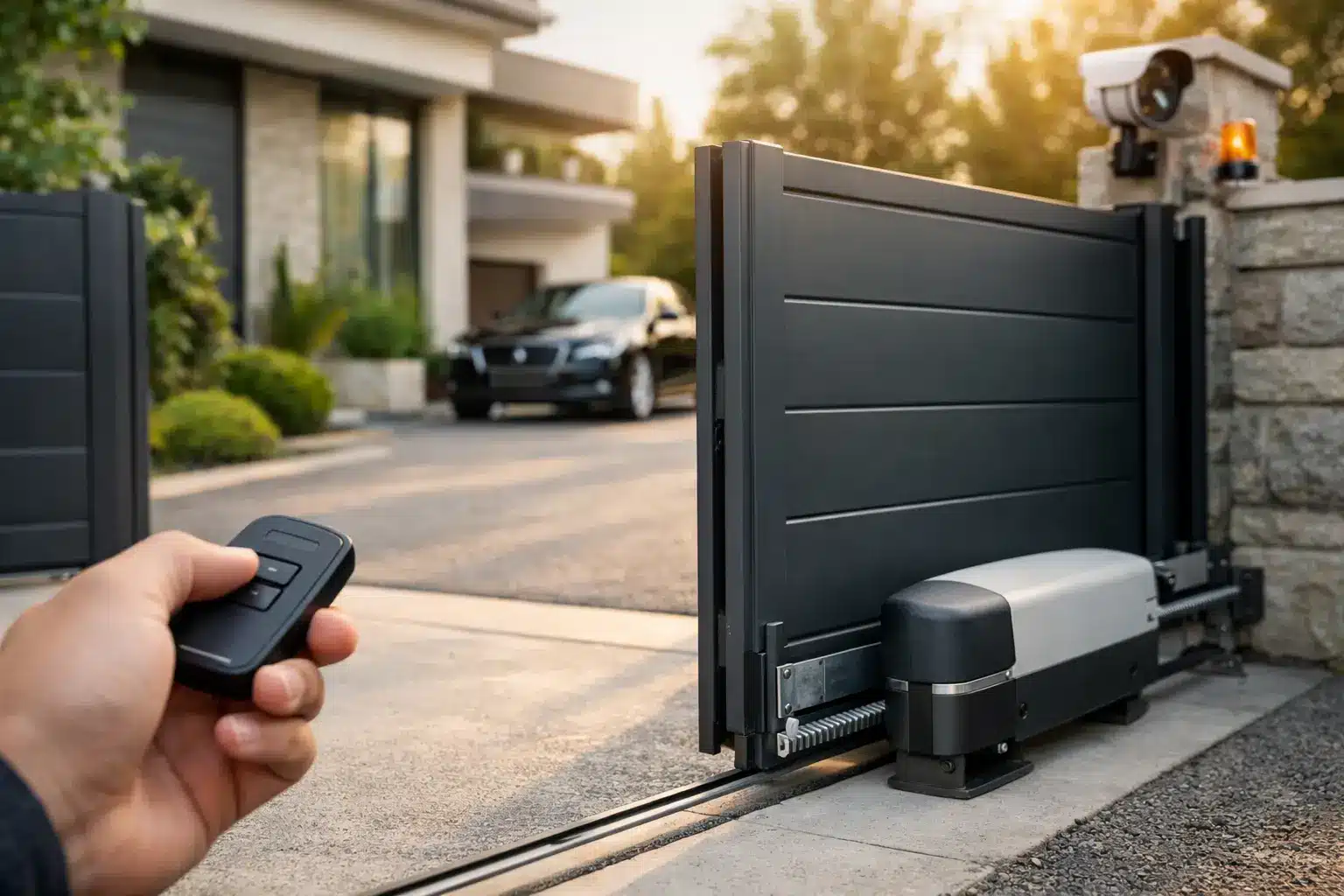
Automation is now expected on many premium driveway gates, but not every gate type behaves the same once motors, safety devices and access control are involved. Swing gates generally use above-ground or underground operators and need consistent opening clearance. Sliding gates rely on a different motor arrangement and are often chosen where automation needs to work efficiently in tighter spaces.

Maintenance is another point worth treating realistically. Any automated gate system benefits from servicing, adjustment and good installation practice. The gate material itself, however, has a major impact on long-term upkeep. Aluminium remains one of the strongest choices for buyers who want lasting performance without the routine sanding, painting or treatment associated with timber.

For residential and commercial properties alike, that low-maintenance ownership model is not just a convenience. It is part of the value equation. A gate should continue to look sharp and operate reliably without becoming a recurring project.

Cost versus value

There is no single answer on price because the specification drives the cost. Opening width, gate height, infill design, automation, access control and site conditions all affect the final figure. A sliding gate can involve more groundwork or a more specialised support arrangement, while a swing gate may require additional consideration on gradients or hinge loading.

The more useful comparison is value over time. A well-specified gate that suits the site, is fabricated properly and is built in a durable material will usually prove more cost-effective than a cheaper option that compromises on fit, finish or operation. Premium entrances are judged every day, both visually and practically. They need to earn that position.

Which gate gives the best kerb appeal?

Both can look exceptional when designed well. Swing gates often bring a sense of proportion and formality, especially on detached homes, country properties and wider plots. Sliding gates tend to create a more contemporary impression, with a cleaner horizontal movement and a strong architectural feel.

The best result comes from matching the gate to the property style and surrounding elements such as fencing, walls, railings and pedestrian access points. Coordination matters. A driveway gate should not feel like an isolated product dropped into place. It should look like part of a complete entrance scheme.

For that reason, many buyers now favour bespoke aluminium solutions in coordinated finishes and made-to-measure designs. It gives far more control over the final appearance, while still delivering strength, precision and long-term durability.

Making the right choice for your property

If your driveway is level and spacious, a swing gate may give you the look and operation you want with a timeless sense of arrival. If your site is constrained, sloping or focused on efficient automated access, a sliding gate may be the smarter answer.

Neither option is universally better. The right choice depends on the entrance. That is why consultation-led design is so valuable. A specialist manufacturer can assess the layout, understand how the gate will be used and recommend a system that balances style, security and practicality without compromise.

At Alu-Gate, that approach sits at the centre of every made-to-measure project. Because when a gate is designed to impress and built to last, the best decision is the one that works beautifully for years, not just the one that looked good on paper.

Best Gate for a Sloping Driveway

Best Gate for a Sloping Driveway

A sloping driveway changes everything. A gate that looks perfect on paper can scrape the ground, leave awkward gaps, or demand far more space than your entrance can realistically give. Choosing the best gate for a sloping driveway is less about picking a style you like and more about selecting a system engineered around the gradient, the opening width and how you use the entrance every day.

That is why the right answer is rarely a one-size-fits-all product. On a level driveway, you can often choose between gate types based mainly on appearance. On a slope, geometry, clearance and automation become the deciding factors. Get those right and your gate feels effortless. Get them wrong and even a premium gate will frustrate you from day one.

What makes the best gate for a sloping driveway?

The best gate for a sloping driveway is the one that opens safely, clears the ground properly and suits the way vehicles and pedestrians move through the entrance. That may sound obvious, but it rules out a surprising number of off-the-shelf solutions.

The steepness of the slope matters first. A gentle incline may still allow for a well-designed swing gate, particularly if the opening direction and hinge arrangement are carefully considered. A steeper rise often pushes the decision towards sliding, bi-folding or other specialist formats that avoid the ground clearance issue altogether.

You also need to think about the visual result. Some gate systems technically work on a slope but create large triangular gaps beneath the gate leaf. For security-conscious homeowners and commercial sites, that compromise can undermine the whole purpose of installing a gate. The best solution balances function, appearance and security rather than sacrificing one for the other.

Why standard swing gates can struggle on slopes

Traditional swing gates are usually the first option people picture for a driveway. They are classic, familiar and often well suited to period and contemporary properties alike. But on a sloping driveway, they need much more careful planning.

If a gate swings inwards and the ground rises immediately behind it, the bottom of the gate can catch on the driveway surface. To prevent that, the gate either needs additional clearance or a design adapted to the slope. More clearance can solve the operational problem, but it may also leave a larger gap underneath than many owners are comfortable with.

There is also the issue of vehicle movement. If the driveway is short or steep near the entrance, cars may not have enough waiting space for a pair of swing gates to open comfortably. Add automation into the mix and the margins become tighter. Safety edges, ram geometry and hinge positioning all need to be considered from the outset, not added as an afterthought.

That does not mean swing gates are unsuitable. It means they must be properly specified. For some properties, a made-to-measure split leaf arrangement or carefully configured hinged system is still the right answer. The detail matters.

Sliding gates are often the strongest option

For many properties, a sliding gate is the best gate for a sloping driveway because it removes the main problem entirely. Instead of swinging across a rising surface, the gate travels laterally along the boundary line. That means no scraping, no need to create exaggerated under-gate gaps, and no awkward compromise between clearance and appearance.

Sliding gates are especially effective where the driveway slope is pronounced near the entrance. They also suit wider openings and properties where security is a priority, as the gate can maintain a more consistent line at the bottom. Visually, the result is usually cleaner and more deliberate.

The trade-off is space. A sliding gate needs sufficient run-back area to one side of the entrance. If boundary walls, planting, level changes or site constraints prevent that, then another format may be better. Installation requirements are also more demanding, as the track or cantilever arrangement and supporting structure must be set up with precision.

For premium residential projects and commercial entrances, though, sliding gates often deliver the most refined combination of practicality, security and design. When fabricated in aluminium, they also avoid the maintenance burden and weight associated with traditional materials.

When bi-folding or telescopic gates make sense

Some sloping driveways have another complication: limited space. You may not have enough depth for a standard swing gate or enough lateral space for a single sliding gate. In those cases, bi-folding or telescopic systems deserve serious attention.

A bi-folding gate reduces the space needed for opening by folding its leaves as it operates. This can be particularly useful on entrances close to the road, where fast opening and compact movement are important. A telescopic gate, meanwhile, splits the sliding action across multiple gate sections, reducing the run-back length required.

These are specialist systems, and they must be manufactured and specified properly to perform reliably. But on the right site, they solve problems that a conventional gate cannot. For design-led properties where every metre counts, they can offer a premium answer without forcing compromises in style.

Material matters as much as gate type

Even the right opening method can disappoint if the material is wrong. On a sloping driveway, gate weight and structural stability have a direct impact on performance. Heavy gates place greater demand on hinges, automation and support posts. Over time, that can affect alignment and reliability.

This is where aluminium stands out. A high-quality aluminium gate offers the strength required for a secure entrance while remaining significantly lighter than many steel or timber alternatives. That lower weight helps the gate operate more efficiently and places less strain on moving parts.

For the owner, the long-term benefits are just as important. Aluminium will not warp, rot or demand the routine repainting associated with timber. For exposed UK driveways dealing with rain, frost and year-round use, low maintenance is not a luxury. It is part of the value proposition. A bespoke aluminium system also allows for cleaner detailing and more precise fabrication, which is particularly important where a gate must be tailored to a difficult gradient.

Design details that affect real-world performance

The best gate for a sloping driveway is rarely decided by gate type alone. Smaller technical details often shape whether the finished result feels premium or problematic.

The gradient profile matters more than many people expect. A driveway may appear to have a simple rise, but changes in pitch near the threshold can alter the available clearance dramatically. The width of the opening matters too, because wider gates create different loading and movement demands. Then there is the question of how the gate will be used. A family home with a few daily movements has different priorities from a commercial entrance with regular traffic and controlled access.

Automation should be considered early. On a slope, motors, safety systems and opening speeds all need to suit the gate format and site layout. Intercoms, access control and vehicle entry planning should work with the gate system rather than being bolted on later. This is one reason a consultation-led approach tends to produce better results than choosing a gate from standard dimensions and hoping it will fit.

How to choose the right solution for your property

If you are deciding on the best gate for a sloping driveway, start by looking at the site honestly rather than starting with a preferred style. Measure the opening, identify where the slope begins and note how much space exists behind and to the side of the entrance. Think about whether vehicles need to stop close to the gate, whether pedestrians use the entrance separately, and how important a flush visual line is at the base of the gate.

From there, the decision usually becomes clearer. If the slope is mild and space allows, a properly designed swing gate may still work very well. If the incline is more severe, a sliding gate is often the stronger choice. If space is restricted in every direction, bi-folding or telescopic formats may offer the best answer.

The crucial point is that sloping driveways reward bespoke design. A premium entrance should be designed around the property, not forced onto it. At Alu-Gate, that means considering the gradient, the structure, the finish and the access requirements as part of one complete specification rather than a series of disconnected choices.

A gate on a slope should not look like a compromise. With the right system, it can feel just as precise, secure and impressive as any entrance on level ground – and often more so, because it has been designed with real intent.

Best Low Maintenance Driveway Gate Options

Best Low Maintenance Driveway Gate Options

You notice it fastest when a gate starts asking too much of you. Timber needs sanding again. Steel has picked up rust around joints and fixings. Paintwork dulls, hardware stiffens, and what should frame the entrance beautifully starts to feel like another job on the list. That is why low maintenance driveway gate options matter so much – not just for convenience, but for long-term appearance, security and value.

For most property owners, the real question is not simply which gate looks good on day one. It is which material and design will still look sharp, operate reliably and suit the property five, ten or twenty years from now without constant upkeep. The right answer depends on your priorities, but some options are clearly better suited to low-maintenance ownership than others.

What makes a driveway gate low maintenance?

A genuinely low-maintenance gate needs more than a durable surface. It should resist corrosion, cope with British weather, retain its finish, and avoid design weaknesses that create ongoing repairs. Material choice matters most, but construction quality, gate format and installation all affect how much attention the gate will need over time.

This is where many buyers get caught out. A gate might be sold as durable, but if it relies on hollow sections that trap moisture, poor coatings, or hardware unsuited to regular use, maintenance will arrive sooner than expected. The easiest gate to live with is one designed from the start for outdoor exposure, repeated operation and a long service life.

Low maintenance driveway gate options by material

Aluminium gates

For most residential and commercial entrances, aluminium is the standout choice among low maintenance driveway gate options. It offers the appearance expected from a premium entrance feature while avoiding many of the issues associated with traditional materials.

Aluminium does not rust, which immediately removes one of the biggest maintenance concerns. With a high-quality powder-coated finish, it holds its colour well, copes with wet conditions and generally needs little more than occasional cleaning to keep it looking right. For busy homeowners and site managers alike, that is a major advantage.

It is also a strong material when engineered properly, particularly in fully welded, made-to-measure systems. That point matters. Not all aluminium gates are equal. Better fabrication delivers a cleaner finish, stronger frame integrity and improved long-term reliability, especially on larger driveway openings or automated systems.

There are trade-offs, of course. Aluminium is a premium product, so the upfront investment is usually higher than a basic timber or mild steel gate. But when you factor in reduced repainting, less remedial work and a longer aesthetic lifespan, the ownership picture often looks far better.

Composite-style infill systems

Some buyers are drawn to the look of timber but want less upkeep. Composite or timber-effect infill designs can be attractive in that scenario, especially when combined with aluminium framing. They can deliver a warmer visual style without the routine staining and treatment real timber demands.

The key is product quality. Lower-grade composite systems may fade unevenly or look less convincing up close, so this route works best when design standards are high and the overall gate is fabricated to a premium specification. For contemporary homes, it can be an effective middle ground between modern durability and a softer architectural finish.

Galvanised and powder-coated steel

Steel can be low maintenance when properly galvanised and finished, and it remains a valid option for certain properties, particularly where a more traditional look or heavier-duty security profile is required. It is strong, familiar and often suited to period or commercial settings.

That said, steel still carries more corrosion risk than aluminium if the finish is compromised. Scratches, exposed edges and wear points need closer attention over time. In practical terms, it can be a durable choice, but it rarely matches aluminium for ease of ownership.

Timber gates

Timber still appeals for its character and natural warmth, especially on rural or heritage-style properties. A well-made hardwood gate can look exceptional. The issue is not whether timber can look premium. It can. The issue is maintenance.

Even quality timber moves with moisture and temperature changes. Finishes need renewing, colour changes over time, and the surface is more vulnerable to weathering. For buyers specifically prioritising low upkeep, timber is usually the wrong fit unless they are happy to commit to regular care.

The best gate styles for low upkeep

Material is the main factor, but style affects maintenance too. Simpler, well-engineered designs tend to perform best over time.

Swing gates

Swing gates are a popular choice for private driveways and often offer a clean, elegant appearance. In low-maintenance terms, they can work very well when the opening is suitable and the hinges, posts and automation are correctly specified. Their relative mechanical simplicity is part of the appeal.

The main consideration is space. Swing gates need room to open safely, and on sloping driveways they may require more careful planning. If the site works for them, they remain a refined and reliable option.

Sliding gates

For wider entrances or properties where internal space is limited, sliding gates can be the more practical solution. They avoid the arc of a swing gate and often suit modern architectural schemes particularly well.

From a maintenance perspective, sliding systems need accurate installation and quality running gear. A poorly planned track or support arrangement creates problems, but a well-built sliding gate can deliver excellent long-term performance with very little intervention beyond routine checks and cleaning.

Bi-folding and telescopic gates

These formats are ideal where access is tight or speed of opening matters. They offer smart solutions for compact sites and can look very polished in contemporary settings.

They do involve more moving parts, which means specification becomes even more important. If low maintenance is the priority, these systems should be supplied by specialists who understand the engineering, not treated as a generic add-on. Done properly, they are practical and impressive. Done badly, they become service-heavy.

Why finish quality matters as much as material

When buyers compare low maintenance driveway gate options, finish quality is often underestimated. A premium finish is not purely cosmetic. It protects the gate, preserves its appearance and reduces the need for corrective work.

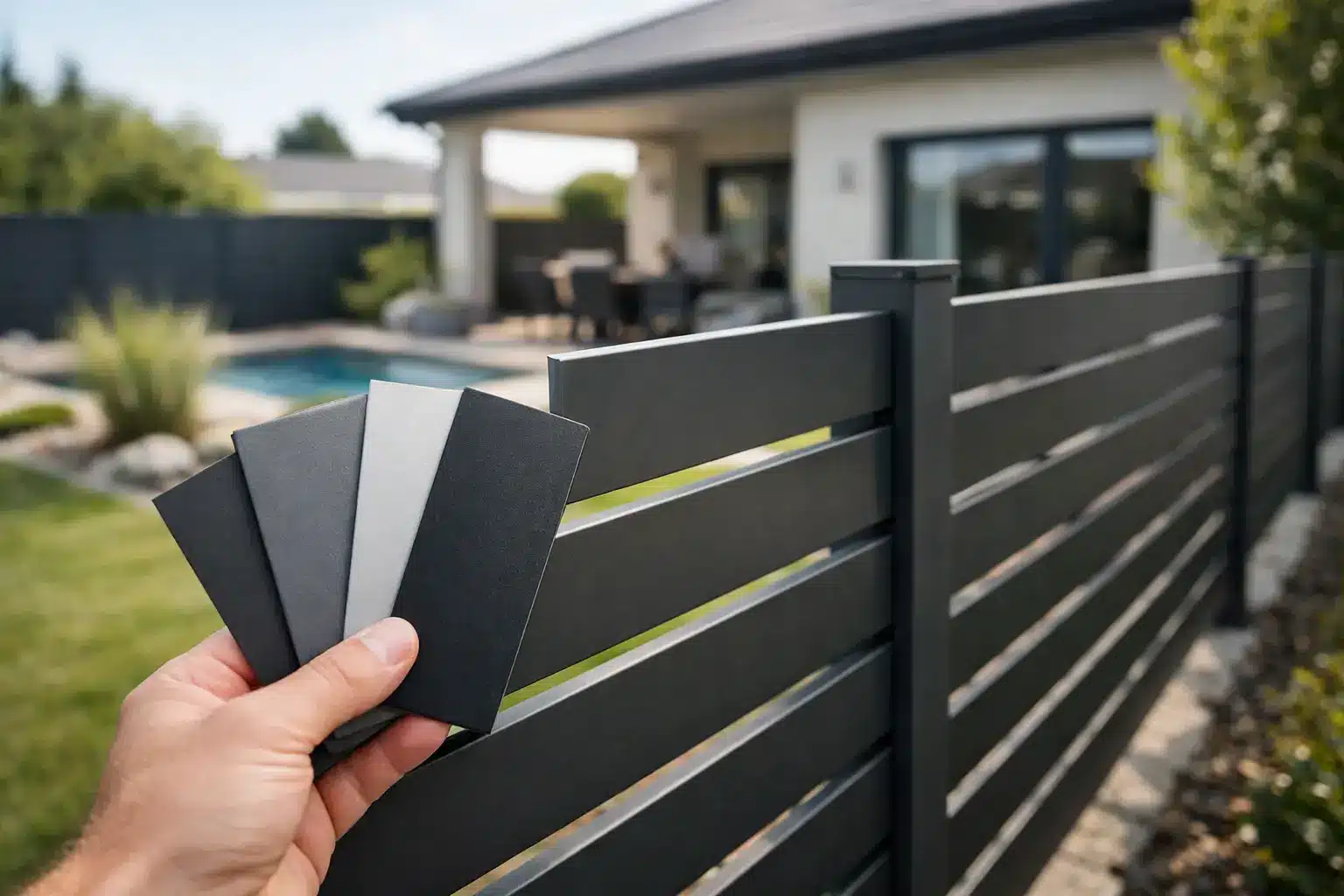
Powder coating is typically the preferred finish for aluminium gates because it creates a hard-wearing, consistent surface available in a wide range of colours and textures. Matt contemporary shades are especially popular for modern homes, but the real benefit is durability rather than trend.

Preparation also matters. If the fabrication, pretreatment and coating process are not carried out to a high standard, long-term performance suffers. A gate should not only look refined when installed. It should retain that standard through years of rain, UV exposure and regular use.

Automation and access control without extra hassle

Many buyers assume an automated gate must mean more maintenance. In reality, a professionally specified automated system can improve day-to-day reliability and convenience. The key is matching the motors, controls and safety features to the gate’s size, weight and frequency of use.

Access control can also support longevity. Intercoms, controlled entry and dependable operating systems reduce misuse and create a smoother user experience, particularly on busy residential entrances and commercial sites. The system is only as good as the gate it is attached to, though, so the structure and hardware still come first.

How to choose the right option for your property

The best choice depends on how your entrance is used, what style suits the property and how much maintenance you are genuinely prepared to accept. For a contemporary home renovation, a made-to-measure aluminium swing or sliding gate is often the strongest all-round answer. It delivers clean design, excellent durability and minimal upkeep.

For larger commercial openings, heavy-use entrances or more complex access requirements, the conversation becomes more technical. Gate format, automation, wind loading, privacy level and traffic flow all need proper consideration. That is where a consultation-led approach adds real value, because the lowest-maintenance answer is not always the most obvious one from a brochure.

At the premium end of the market, the difference is rarely just the material. It is the combination of bespoke sizing, precise fabrication, high-grade finish and informed specification. That is why specialist manufacturers such as Alu-Gate focus on tailored systems rather than one-size-fits-all products.

The option that usually makes the most sense

If your priority is a gate that looks impressive, strengthens security and does not become a recurring maintenance project, aluminium is usually the strongest choice. It offers the cleanest balance of style, strength and low-maintenance ownership, especially when fabricated to measure and finished to a high standard.

A driveway gate should add confidence every time you arrive home or open the site for the day. The best ones do that quietly – holding their finish, operating reliably and asking very little in return.

How Long Do Aluminium Gates Last?

How Long Do Aluminium Gates Last?

A gate usually starts to show its true quality after a few British winters. Timber can swell, crack or demand another round of sanding and paint. Steel can look solid for years, then rust begins to creep in at joints and edges. So when homeowners and commercial buyers ask how long do aluminium gates last, what they are really asking is whether they can invest once and trust the result to keep performing.

The short answer is that a well-made aluminium gate can last for decades. In many cases, 20 years is a realistic expectation, and premium systems built with the right grade of aluminium, high-quality welding and a durable powder-coated finish can continue performing well beyond that. The difference is rarely the material alone. It comes down to how the gate is designed, fabricated, finished, installed and used.

How long do aluminium gates last in real conditions?

In UK conditions, a quality aluminium gate should comfortably outlast many timber alternatives and compete very strongly with steel, without the same maintenance burden. Aluminium does not rust, which gives it a major advantage in a climate defined by rain, fluctuating temperatures and damp air.

That does not mean every aluminium gate on the market will deliver the same lifespan. A lightweight, poorly assembled gate made to hit a price point is not comparable to a bespoke, fully welded system designed for daily use. The material may be aluminium in both cases, but the long-term result can be very different.

For most residential properties, a premium aluminium driveway or pedestrian gate should offer decades of reliable service when it is correctly specified and maintained. For commercial settings, where usage is often heavier and automation cycles are higher, lifespan still remains excellent, but hardware, motors and access control components may require attention sooner than the gate leaf itself.

Why aluminium lasts so well

Aluminium earns its reputation because it solves some of the main reasons gates fail. It is naturally resistant to corrosion, it is lightweight compared with steel, and it is stable enough to cope well with changing weather conditions.

That lower weight matters more than many buyers realise. A heavy gate places greater strain on hinges, posts, tracks and automation systems. Over time, that extra load can lead to sagging, misalignment and more frequent servicing. Aluminium reduces that stress while still allowing for a strong, secure gate when the profile design and fabrication are handled properly.

It also avoids one of the biggest frustrations associated with timber. Wood is an attractive material, but it moves with moisture and temperature. It can twist, warp and deteriorate if maintenance slips. Aluminium is far more predictable. Once installed, it keeps its shape well and does not ask for ongoing repainting or treatment just to remain presentable.

The biggest factors that affect lifespan

If you want a realistic answer to how long aluminium gates last, you need to look beyond the brochure claim. Several factors have a direct impact on longevity.

Build quality

This is one of the most important. A bespoke gate fabricated with premium-grade aluminium and precision welding will generally last much longer than a mechanically joined gate made from lighter sections. Fully welded construction creates a stronger, more rigid structure with fewer weak points over time.

For wider driveway gates, sliding systems or large commercial entrances, that structural integrity becomes even more important. Bigger openings demand more from the gate, so the quality of fabrication cannot be an afterthought.

Surface finish

The finish protects the gate and keeps it looking sharp. A high-quality powder coating, properly applied to a well-prepared surface, stands up far better to weather, UV exposure and everyday wear than cheaper finishing methods.

In practical terms, this affects both lifespan and appearance. The gate may remain structurally sound for many years, but if the finish fades, chips or degrades early, the product will not feel premium for long. Buyers investing in a design-led entrance solution should expect both durability and lasting visual quality.

Installation

Even an excellent gate can underperform if it is badly installed. Posts need to be correctly specified, foundations need to suit the size and weight of the gate, and the opening must be accurately set out. Poor alignment creates ongoing stress on hinges, locks, rollers and motors.

This is especially relevant for automated gates. Automation adds convenience and security, but it also introduces moving parts that rely on precise installation. If the gate is not running true from day one, wear will build faster.

Environment

Not every site places the same demands on a gate. A sheltered suburban driveway is different from an exposed coastal property or a busy commercial entrance with frequent daily cycles. Coastal environments can be harsher on finishes and hardware because of salt in the air. High-traffic sites naturally create more wear on moving components.

The good news is that aluminium remains a very strong choice in tougher environments, but the specification should reflect the setting. This is where a consultation-led approach makes a real difference.

What tends to wear out first?

When people ask about lifespan, they often assume the gate itself and all of its components age at the same rate. In reality, the aluminium structure usually outlasts the parts attached to it.

Hinges, locks, latches, rollers, track systems, motors and intercom equipment all have their own service life. On an automated gate, the motor and control hardware may need servicing or replacement long before the aluminium frame has reached the end of its life. That is not a flaw in the gate material. It is simply the reality of mechanical and electronic systems doing regular work.

This is why a premium gate should be seen as a system rather than a single product. Strong fabrication provides the foundation, but hardware quality and correct specification matter just as much if you want long-term reliability.

How much maintenance do aluminium gates need?

One of aluminium’s strongest selling points is low maintenance. That does not mean no maintenance at all, but it is far less demanding than timber and generally simpler than steel.

For most properties, occasional cleaning with mild soapy water is enough to keep the finish in good condition. In coastal or high-pollution areas, cleaning may need to be a little more frequent. It also makes sense to check hinges, fixings, locks and automation components periodically so that small adjustments can be made before they become larger issues.

The key point is that aluminium gates do not require the cycle of scraping, repainting and preservative treatment that many timber gates do. For buyers who want a premium entrance without adding another maintenance project to the calendar, that matters.

Aluminium vs timber and steel for longevity

Timber has natural character, but its lifespan depends heavily on upkeep. Without regular care, deterioration can set in much sooner than expected. Even when maintained properly, movement in the material can affect operation and appearance over time.

Steel is undeniably strong, but unless it is exceptionally well protected and maintained, rust is always the long-term concern. In the UK climate, that can become expensive and inconvenient.

Aluminium sits in a very attractive middle ground. It delivers strength, modern aesthetics and excellent corrosion resistance, while keeping maintenance low. For design-conscious property owners, that combination is hard to ignore. It offers the premium look many buyers want, with a more practical ownership experience over the long term.

Is a guarantee a good indicator of lifespan?

A strong guarantee can tell you a great deal about how confident a manufacturer is in its product. It should never be the only factor you rely on, but it is a useful sign of expected durability.

If a company is prepared to stand behind its gate for 20 years, that suggests the material, finish and fabrication have been chosen with long-term performance in mind. It also shows a level of accountability that cheaper, off-the-shelf products often cannot match.

That is why premium buyers should ask not just how long the gate should last, but what backs up that claim. At Alu-Gate, the emphasis on bespoke design, precision welding and a 20-year guarantee reflects exactly the kind of confidence that serious buyers should look for.

When is aluminium the right long-term choice?

If you want a gate that looks refined, performs reliably and does not become a recurring maintenance job, aluminium is one of the strongest long-term options available. It is particularly well suited to driveway gates, pedestrian gates and coordinated entrance systems where appearance matters as much as security.

It also makes sense for buyers who want a made-to-measure solution rather than something generic. A gate that is tailored to the property, fabricated to a high standard and matched to the right access system is far more likely to deliver the lifespan you expect.

The better question is not simply how long do aluminium gates last. It is whether the gate you choose has been built to justify that lifespan. Premium materials, fully welded construction, quality finishing and expert specification are what turn a good-looking gate into a lasting investment.

Choose well, and your gate should not just survive the years ahead. It should continue to add security, presence and value to the property long after cheaper alternatives have needed replacing.

Aluminium vs Wooden Driveway Gates

Aluminium vs Wooden Driveway Gates

A driveway gate makes its point before anyone reaches the front door. It sets the tone for the property, frames the entrance and quietly signals how seriously you take security, privacy and design. That is why the question of aluminium vs wooden driveway gates is not just about materials. It is about how you want your entrance to perform over the next ten, fifteen or twenty years.

Both options can look impressive. Both can be made to suit traditional and contemporary homes. But they behave very differently once exposed to British weather, daily use and the practical demands of real life. If you are choosing for a home renovation, self-build or commercial entrance, the right answer usually comes down to priorities rather than appearance alone.

Aluminium vs wooden driveway gates – what changes over time?

At first glance, timber often wins on familiarity. It has warmth, natural grain and a classic character that suits period properties especially well. A well-made wooden gate can look substantial and elegant when it is first installed.

The issue is what happens next. Wood is a living material. It expands, contracts, absorbs moisture and reacts to changing temperatures. In the UK, where rain, frost and damp conditions are a routine part of the year, that matters. Over time, even attractive hardwood gates can begin to warp, crack, swell or require ongoing treatment to stay looking their best.

Aluminium is different by design. It does not rot, it does not absorb moisture and it remains dimensionally stable in conditions that regularly challenge timber. That stability affects more than appearance. It influences how smoothly the gate opens, how well it works with automation and how much attention it needs over its lifespan.

For buyers who want a gate to look sharp in year one and still perform properly years later, aluminium has a clear practical advantage.

Appearance and kerb appeal

Style is often where timber makes its strongest case. Natural wood has a richness that many homeowners still associate with prestige. On cottages, country homes and some heritage-style properties, timber can feel like the obvious fit.

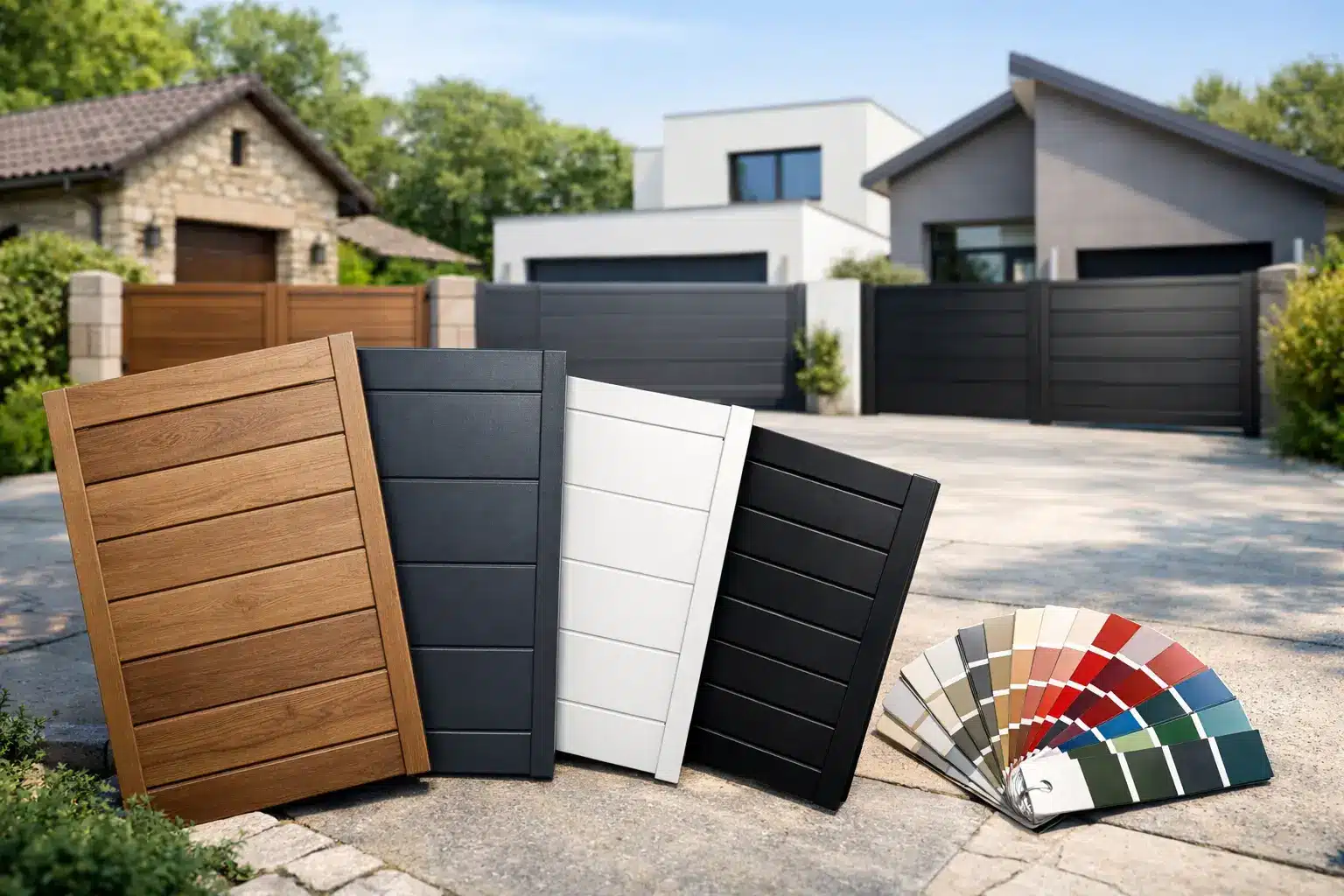
That said, aluminium is no longer limited to plain, utilitarian designs. Modern fabrication and finishing have changed expectations. A made-to-measure aluminium gate can be produced in clean contemporary lines, more traditional formats and even wood-effect finishes that bring warmth without the maintenance burden of real timber.

The bigger difference is consistency. Wood tends to age unevenly unless it is carefully maintained. Sunlight, rain and general wear can alter the colour and surface finish, particularly on exposed entrances. Aluminium holds its finish far more reliably, which is valuable if you want the gate, fencing and wider frontage to keep a refined, coordinated appearance.

For design-conscious buyers, that consistency is part of the appeal. A premium entrance should still feel premium after years of use, not just on installation day.

Maintenance is where the gap widens

This is often the deciding factor.

Wooden driveway gates need regular care. Depending on the timber, finish and exposure level, that can mean staining, painting or sealing to protect against moisture and UV damage. Hinges and fixings also need monitoring because the gate leaf can shift in weight and alignment as the timber responds to the weather.

Some owners do not mind that upkeep. If you enjoy maintaining timber and accept that it is part of ownership, wood can still be the right choice. But many buyers want the look of a premium gate without adding another repeat job to the maintenance list.

Aluminium is built for that kind of ownership. A quality powder-coated finish needs very little beyond occasional cleaning. There is no sanding back, no repainting cycle and no concern about rot setting in from the bottom rail upwards. For busy households and commercial sites alike, low maintenance is not a minor convenience. It is a long-term saving in time, disruption and cost.

Security and strength

Driveway gates are not only there to look good. They need to define the boundary, control access and give the property a stronger sense of protection.

Timber can be strong, especially when built from substantial sections, but its performance depends heavily on ongoing condition. If the material begins to split or weaken with age, security can be compromised. Wooden gates can also become heavier over time if moisture content changes, putting strain on posts, hinges and motors.

Aluminium offers an excellent balance of strength and weight. It is lighter than steel, yet still highly durable when properly engineered. That lighter weight is particularly important for automated systems, where smoother operation and reduced strain on motors can improve reliability over time.

Fully welded aluminium construction also brings a cleaner, more rigid result than gates assembled with multiple mechanical joints. For buyers who want a gate to feel secure, precise and purpose-built rather than simply decorative, that engineering standard makes a real difference.

Aluminium vs wooden driveway gates for automation

If you are considering electric operation, intercom access or a fully integrated entrance system, material choice becomes even more important.

Wooden gates can be automated, but they are less predictable over time. Changes in moisture levels and weight distribution can affect alignment and movement, leading to more adjustments and potential stress on the automation equipment. That does not mean timber cannot work, but it does mean the installation has less tolerance for movement and material change.

Aluminium is better suited to modern automated entrances because it is lightweight, stable and consistent. Whether you are specifying swing gates, sliding gates or a more specialist format, that stability supports cleaner operation and more dependable performance. It also gives you greater confidence if the entrance is being used frequently, whether at a private residence or a commercial property.

For many buyers, the gate is no longer a standalone feature. It is part of a wider access solution. In that context, aluminium is usually the smarter technical choice.

Lifespan and long-term value

The purchase price is only one part of value. A gate that costs less upfront but needs regular treatment, repairs or earlier replacement can become the more expensive option in practice.

Wooden gates vary hugely depending on timber species, build quality and exposure. A high-quality hardwood gate will generally outlast softwood, but both still depend on consistent maintenance to reach their best lifespan. Neglect that maintenance and deterioration can arrive far sooner than expected.

A premium aluminium gate is a different investment. The upfront cost can be higher than some timber alternatives, but the long-term ownership picture is typically stronger. Lower maintenance, resistance to rot, stable performance and a durable finish all contribute to better value over time.

That matters most to buyers who are planning carefully and want to get the decision right once. If the goal is to install a gate that continues to justify its cost year after year, aluminium is hard to beat.

When wood still makes sense

There are cases where timber remains the right fit.

If you are restoring a period property and want a very specific traditional look, natural wood may suit the architecture best. If you are committed to maintaining it properly and you appreciate the way timber develops character over time, those are fair reasons to choose it.

It is also true that not every project needs the same level of longevity, finish stability or automation compatibility. For some settings, the appeal of real timber outweighs the extra care it demands.

The key is to make that choice with a clear view of ownership. Timber is rarely the low-effort option, even when it is the visually appealing one.

Why many UK buyers now choose aluminium

For most modern residential and commercial projects, aluminium aligns better with what buyers actually want. They want a gate that enhances kerb appeal, strengthens security, works smoothly with automation and does not create an ongoing maintenance commitment.

They also want design flexibility. Bespoke aluminium gates can be tailored to the property rather than forcing the property to work around a standard product. Size, configuration, infill style, finish and access requirements can all be specified with far more control than many people expect.

That combination of aesthetics and practical performance is why aluminium has become the preferred option for premium entrances. At Alu-Gate, that is exactly where the focus sits – made-to-measure aluminium systems that are designed to impress and built to last.

If you are choosing between aluminium and wood, it helps to think less about the first impression and more about the fiftieth. The best driveway gate is the one that still looks right, works properly and feels worth the investment long after the installation is complete.

Are Aluminium Driveway Gates Worth It?

Are Aluminium Driveway Gates Worth It?

A driveway gate can transform the front of a property – or become an expensive frustration if the material is wrong. That is why one of the most common questions we hear is simple: are aluminium driveway gates worth it? For many UK property owners, the answer is yes, but only when the gate is designed properly, made to measure and specified for the way the entrance is actually used.

This is not just about appearance. A driveway gate has to cope with weather, daily use, security demands and the visual standard of the property it sits in front of. If you are comparing aluminium with timber or steel, the real question is not just what it costs now, but what it will look like, how it will perform and what it will ask of you over the next 10 to 20 years.

Are aluminium driveway gates worth it for long-term value?

If you are looking purely at headline purchase price, aluminium can sit above some timber options and compete closely with quality steel depending on the design, automation and finish. But premium gates should never be judged on purchase price alone. Long-term value comes from durability, stability, maintenance needs and how well the gate keeps its finish over time.

Aluminium performs strongly because it does not rust in the way steel can, and it does not absorb moisture and swell, crack or rot in the way timber often does. In the UK climate, that matters. Wind, rain and fluctuating temperatures are hard on entrance gates, particularly on exposed driveways. A material that holds its shape and finish with minimal upkeep quickly becomes more attractive when you factor in repainting, repairs and earlier replacement.

For homeowners investing in kerb appeal, aluminium also tends to hold its visual standard well. A premium powder-coated finish and a well-engineered welded frame can continue to look sharp for years rather than starting to feel tired after a few winters.

The biggest advantages of aluminium gates

The strongest case for aluminium usually comes down to three things: low maintenance, lasting appearance and practical performance.

Low maintenance is often the deciding factor. Timber can look superb when first installed, but keeping it that way takes work. Sanding, staining, painting and dealing with movement are all part of ownership. Steel is strong, but any damage to the coating can create a weak point for corrosion. Aluminium is far less demanding. In most cases, regular washing and occasional checks are enough to keep it looking its best.

Weight is another major advantage. Aluminium is lighter than steel, which can reduce strain on hinges, posts and automation systems. That lighter weight can make a meaningful difference on larger driveway entrances or installations with frequent daily use. It also opens up design possibilities where a heavier material may require more substantial structural support.

Then there is design flexibility. Aluminium suits a wide range of properties, from contemporary self-builds to upgraded period homes where a cleaner, more refined entrance is needed. With made-to-measure fabrication, it can be tailored to suit sliding, swing, bi-folding or telescopic layouts, along with matching fencing and pedestrian access.

Where aluminium makes more sense than timber or steel

There is no perfect gate material for every project. The right choice depends on the property, the look you want and how much ongoing maintenance you are willing to accept.

Timber still appeals to buyers who want a more traditional aesthetic and are comfortable with regular upkeep. It can be a beautiful choice, especially on rural properties. The trade-off is consistency. Timber changes over time, and not always in ways the owner wants. Exposure, moisture and sunlight all affect how it wears.

Steel is often chosen for strength and presence, particularly on more ornate designs or commercial settings. But strength on paper is not the whole story. If you do not want the maintenance demands and corrosion risk that can come with steel, aluminium often becomes the more practical premium option.

For many modern UK homes, aluminium sits in the sweet spot. It delivers a high-end finish, strong structural performance and lower ownership demands without the heaviness and maintenance burden of traditional materials.

Are aluminium driveway gates worth it for security?

A driveway gate is not a standalone security solution, but it is an important part of one. Aluminium can provide excellent perimeter security when the design, locking method, access control and installation are handled properly.

What matters most is not simply the material itself, but the full specification. A well-made aluminium gate with a fully welded construction, quality posts, reliable hinges or track system and the right automation can provide a strong physical and visual deterrent. Add controlled entry through an intercom or access system, and the gate becomes a serious upgrade in how the property is managed day to day.

This is especially relevant for larger homes, shared entrances and commercial premises where ease of access and controlled entry need to work together. The gate needs to look impressive, but it also needs to open reliably, close securely and cope with repeated use.

What can affect whether they are worth the investment?

Not all aluminium gates deliver the same result. This is where buyers need to look beyond the word aluminium and pay attention to how the gate is actually built.

Fabrication quality matters. A made-to-measure gate with precision welding and a properly engineered frame will behave very differently from a lighter-duty, modular or poorly specified product. Finish quality matters too. A premium coating system is essential if you want the gate to retain its appearance.

Design choice also affects value. A gate that suits the opening width, ground levels, access pattern and automation setup will work better and last longer. Choosing swing gates on a difficult gradient, for example, can create compromises that a sliding or bi-folding system would avoid. This is where consultation-led design becomes worth its weight in gold.

The other variable is expectation. If you want the cheapest possible gate, aluminium may not always be the answer. If you want a bespoke entrance feature that combines style, reliability and low maintenance over the long term, it becomes a very strong contender.

Cost versus ownership: the question most buyers really mean

When people ask if aluminium driveway gates are worth it, they usually mean one thing: will I feel this was money well spent in five or ten years?

That depends on how you define value. If value means the lowest upfront spend, then no premium made-to-measure gate will win that argument. But if value means fewer maintenance headaches, a finish that continues to enhance the property, and a gate system that is built around your exact opening and usage, aluminium makes a compelling case.

It is particularly attractive for buyers who are already investing in the wider appearance and performance of a property. A well-designed driveway, quality landscaping and a tired or high-maintenance gate do not sit comfortably together. Aluminium offers a more complete solution – one that feels considered rather than temporary.

For commercial buyers, the logic can be even clearer. Reduced maintenance, dependable operation and a professional appearance all matter when entrances are part of daily site management.

When aluminium may not be the right choice

A premium material still has to suit the brief. If your priority is a very specific traditional timber look and you genuinely do not mind ongoing maintenance, timber may still be the better fit aesthetically. If the project demands an especially heavy industrial style, steel may be preferred in some cases.

There is also a difference between standard aluminium gates and bespoke premium systems. If the product is under-engineered, poorly finished or not suited to the opening, you will not get the benefits aluminium is known for. Material choice is only one part of the result.

That is why specification should come before assumption. The best gate is the one that fits the property, the access needs and the standard you expect to live with every day.

The verdict for UK property owners

For most homeowners and commercial buyers looking for a premium entrance solution, aluminium driveway gates are worth it. They combine strong visual impact with low maintenance, weather resistance and long-term reliability in a way few alternatives match. When they are custom made, properly finished and specified to suit the site, they offer the kind of ownership experience that feels as good after installation as it does on day one.

At Alu-Gate, that is exactly why aluminium remains the material of choice for so many bespoke entrance projects. Designed to impress. Built to last.

If you are weighing up materials, do not just ask what the gate costs. Ask how it will perform, how it will age and whether it will still feel right every time you arrive home a decade from now.