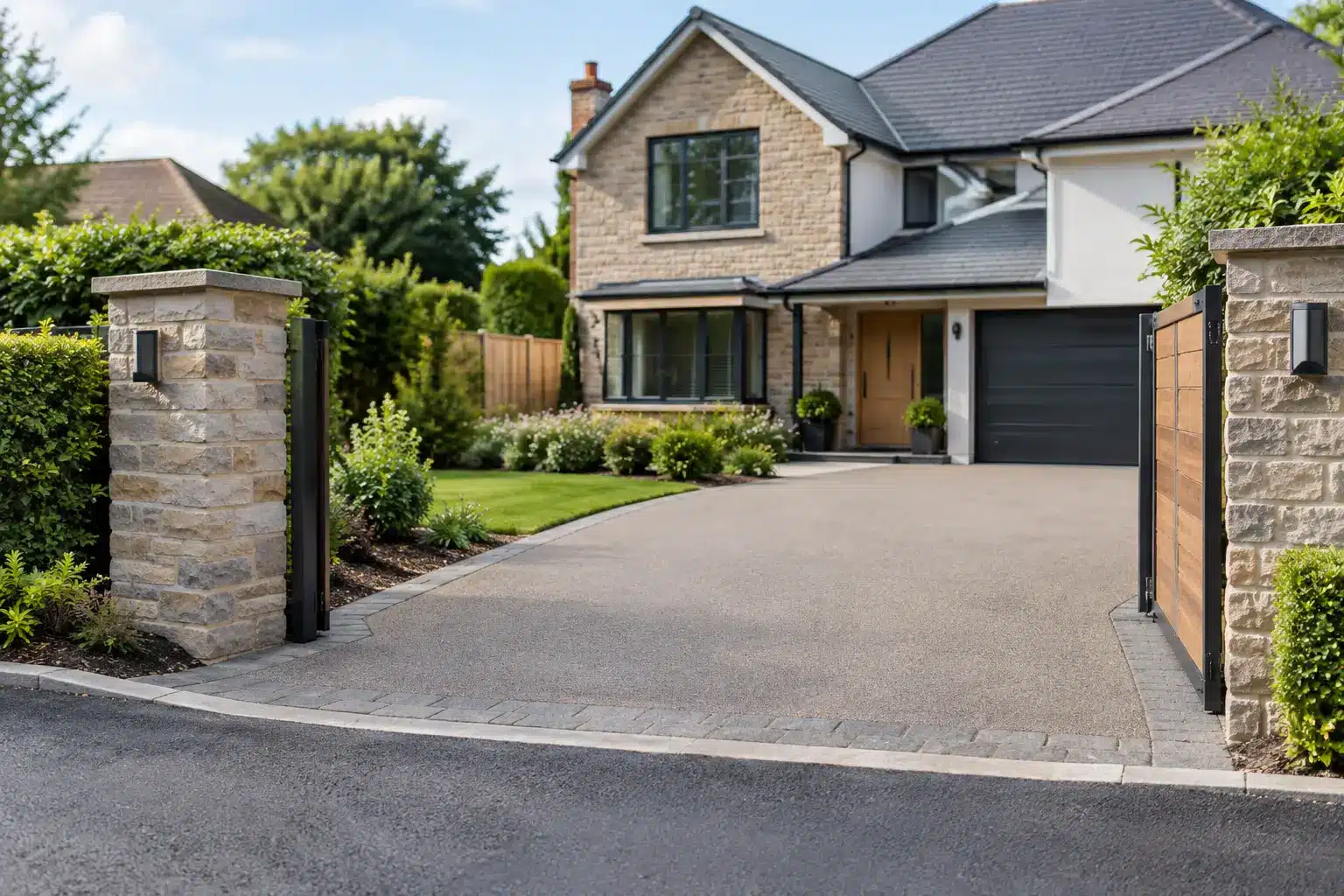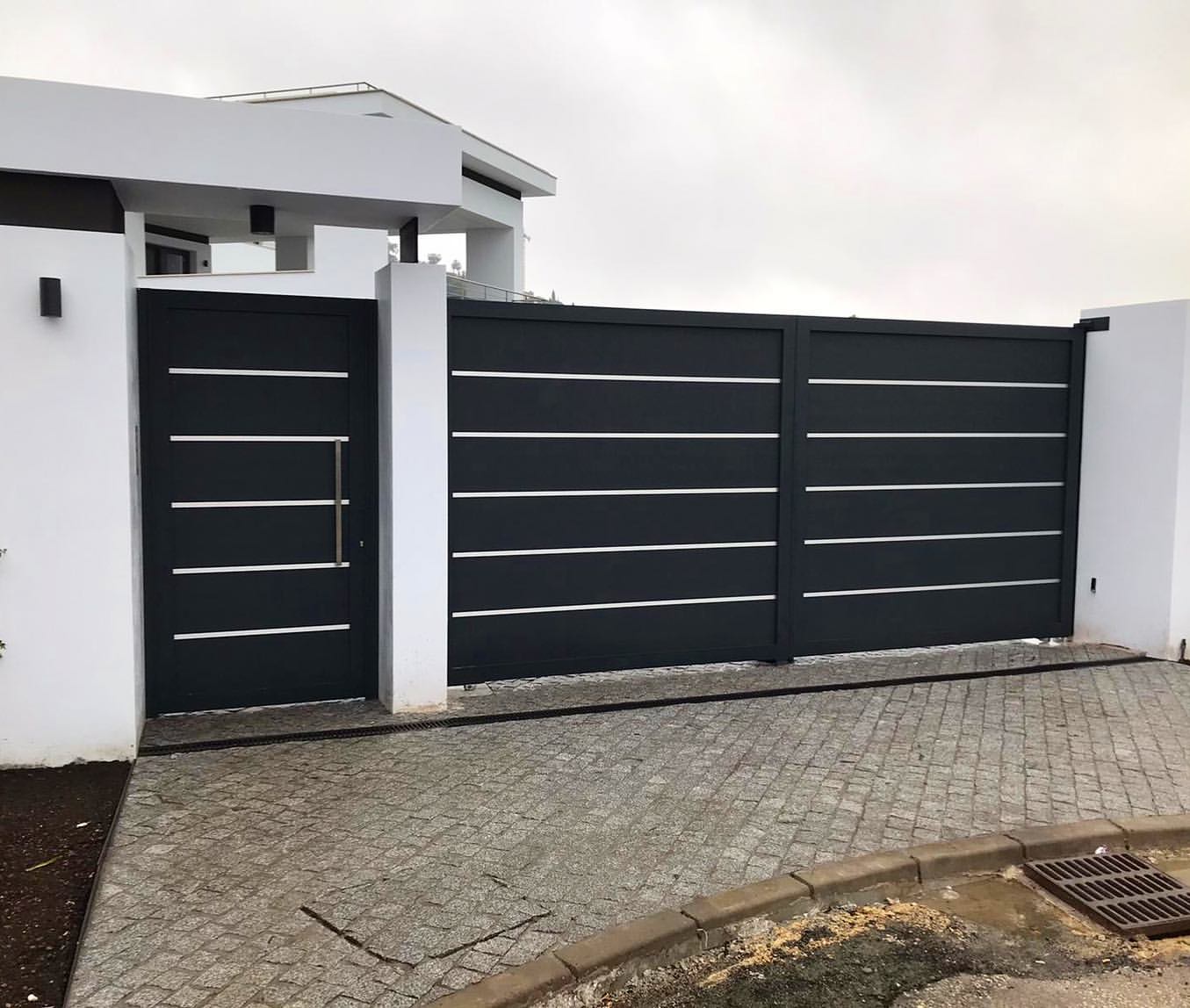

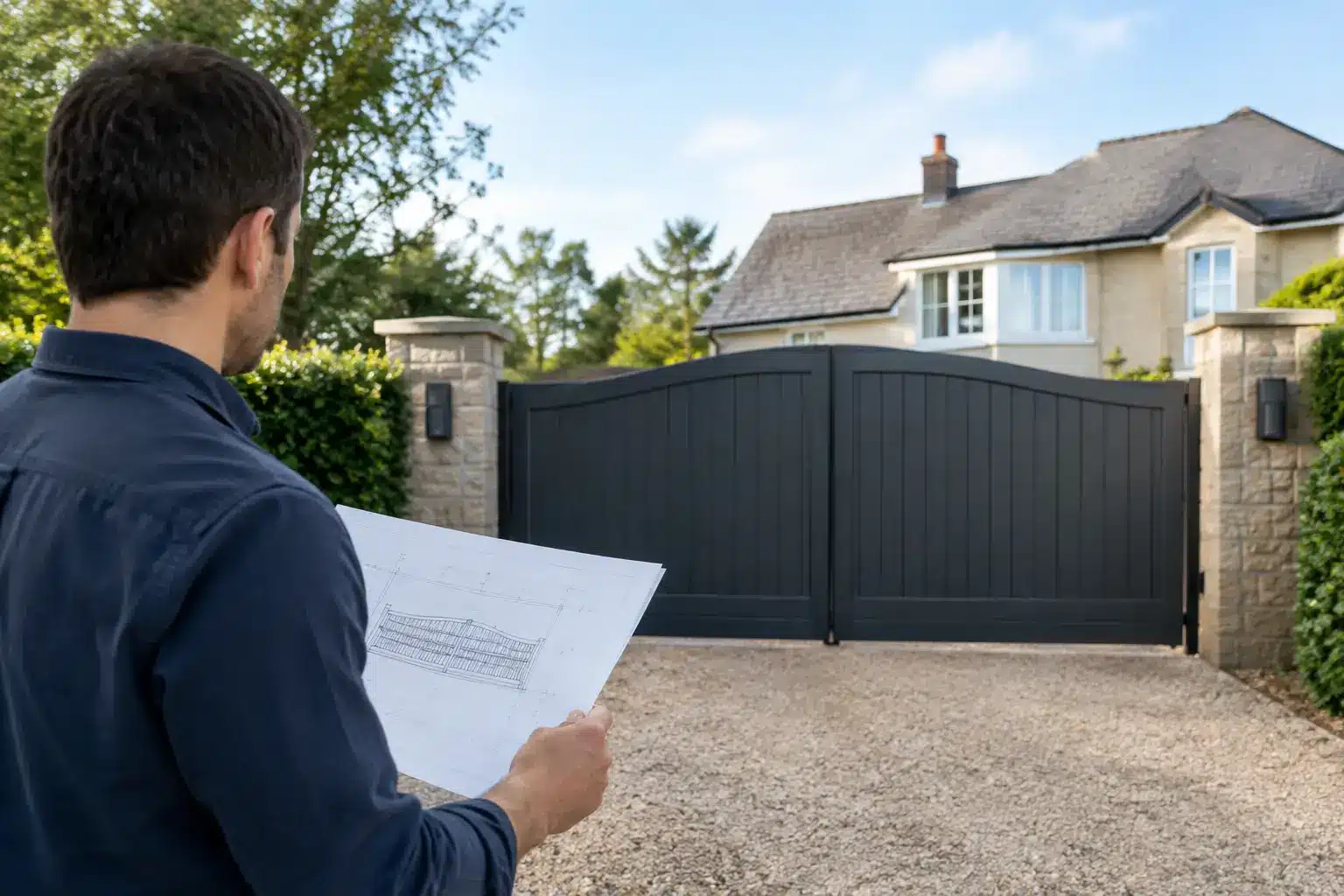
A new entrance should strengthen security and transform the first impression of a property, not create an avoidable planning problem. Driveway gate planning permission is straightforward in many UK projects, but the answer changes quickly depending on gate height, location and local restrictions.
For most homes, a carefully specified gate can be installed under permitted development rights. The critical detail is not simply whether the gate is aluminium, timber or steel. It is where it sits in relation to a highway, how high it will be and whether the property has special planning controls.
When is driveway gate planning permission required?
In England, a gate is generally treated as a means of enclosure, alongside walls, fences and railings. Under permitted development rules, you will normally need planning permission if the gate is more than 1 metre high and is next to a highway used by vehicles, or the footpath of such a highway.
This is the rule that catches out many homeowners. A gate placed at the front boundary beside a road may look modest, yet a 1.8-metre design can still need consent. The same height may be permitted where the gate is positioned away from the highway, for example further inside the driveway or along a side or rear boundary.
Where the gate is not adjacent to a vehicular highway, the usual permitted development height limit is 2 metres. Measurements are taken from ground level, so sloping sites deserve particular care. A gate that appears compliant from inside the property can exceed the limit when assessed from the public side of a falling pavement or road.
Planning permission may also be needed where:
- a new gate replaces or removes an existing wall, fence or gate that is already above the relevant height limit;
- the property is a listed building, or the gate lies within the curtilage of one;
- the site is in a conservation area, national park, Area of Outstanding Natural Beauty or World Heritage Site and separate restrictions apply;
- an Article 4 Direction has removed permitted development rights locally;
- a previous planning consent includes a condition affecting the boundary treatment, access or visibility;
- the proposal forms part of a commercial development, a new access or wider works that require consent.
The planning system differs across the UK. The height principles above are widely used as a starting point in England, but homeowners in Wales, Scotland and Northern Ireland should check the guidance issued by their own planning authority before ordering a gate.
The highway rule: position matters as much as height
A common misconception is that moving a tall gate back from the boundary automatically avoids planning permission. It can help, but it is not a shortcut. The question is whether the gate is adjacent to the highway and whether it affects visibility and the safe use of the access.
Setting gates back into the driveway has practical advantages. It creates room for a vehicle to pull clear of the road before the gate opens, rather than waiting in traffic. It can also allow a taller, more private entrance design where the front boundary itself needs to remain lower.
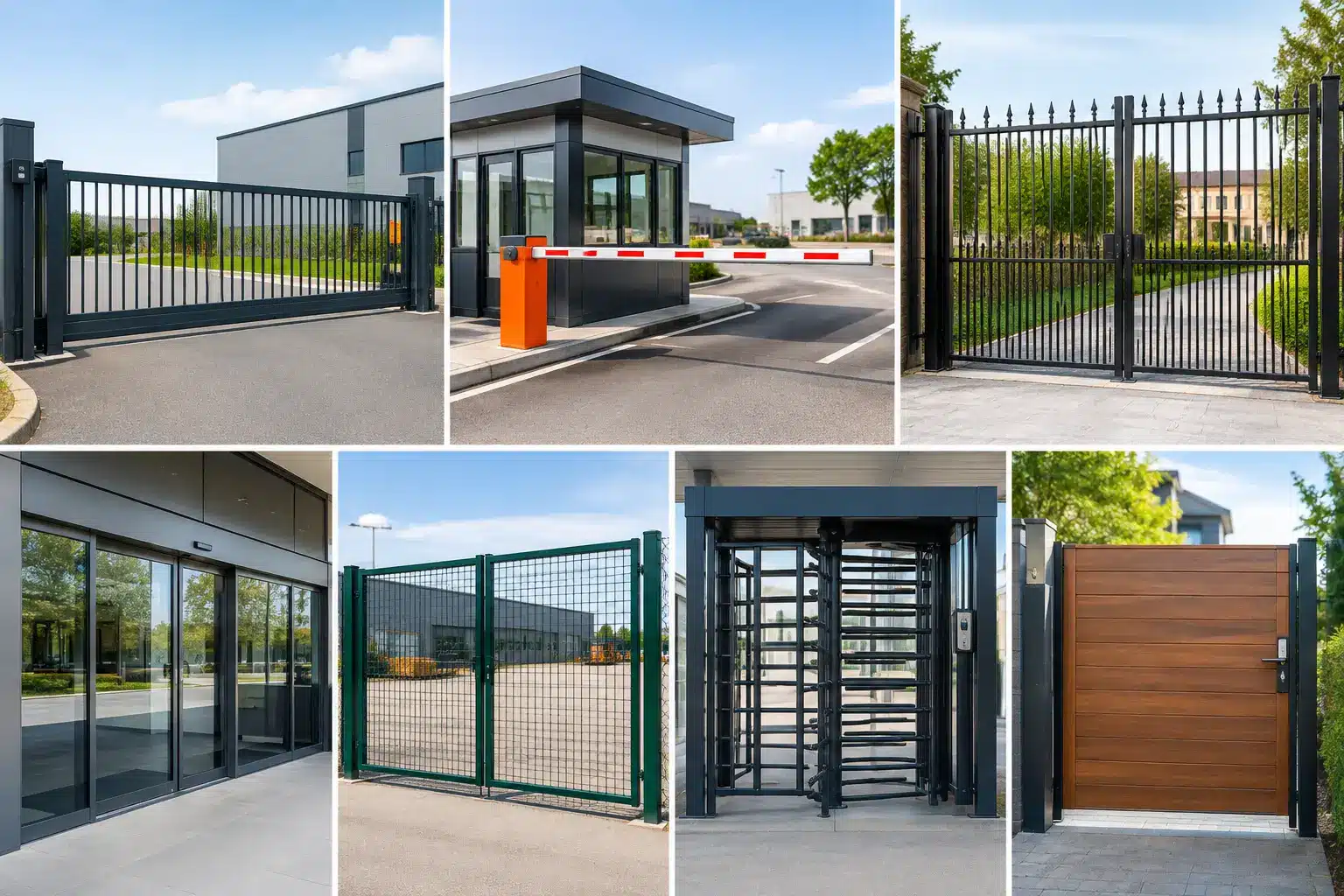
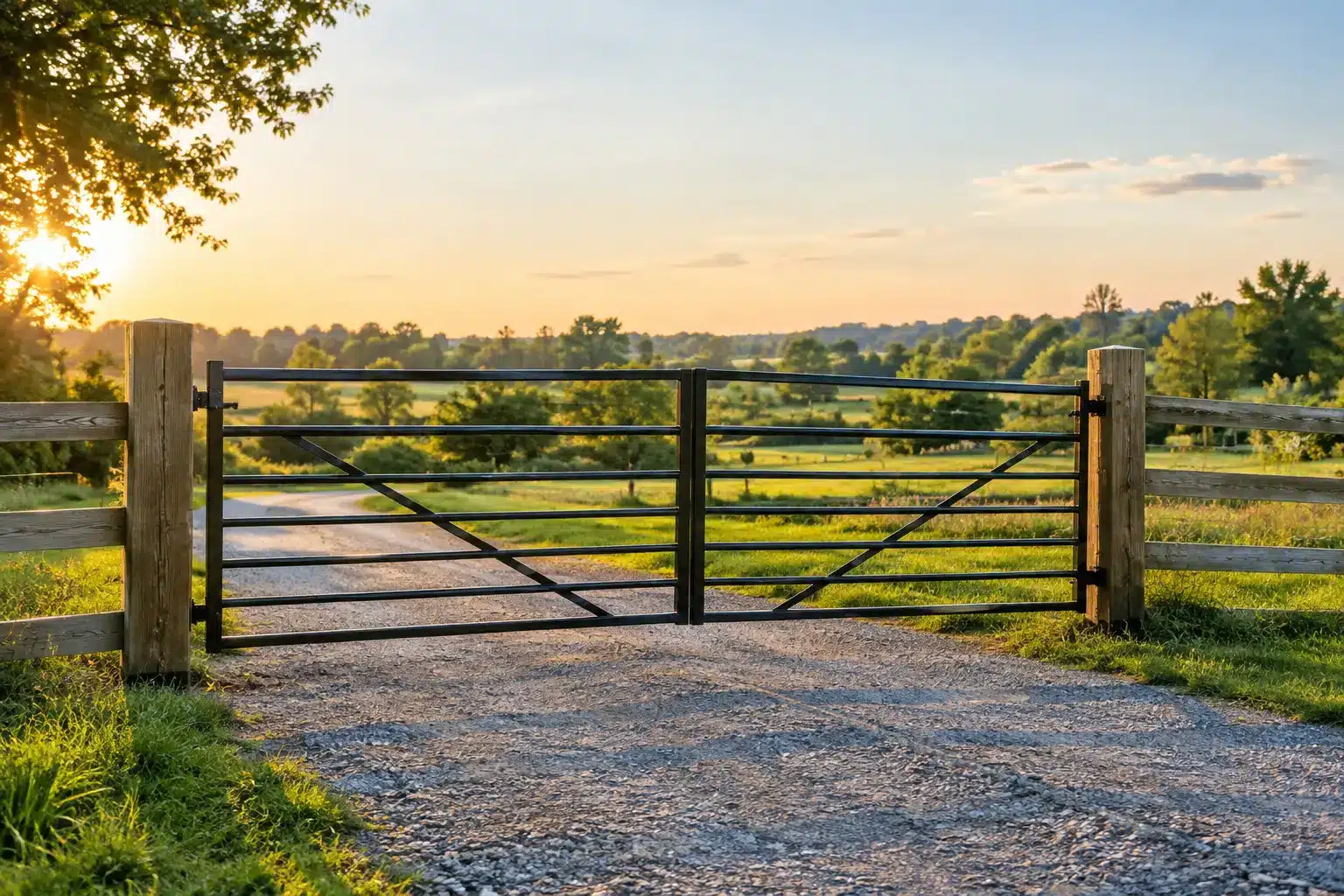
However, a recessed gate must still leave enough standing space for the type of vehicles using the property. A short driveway may work for a family car but not for a large 4×4, delivery vehicle or commercial van. The gate’s opening method also matters. Swing gates need clear internal space, while sliding, telescopic and bi-folding systems can suit driveways where depth is limited.
Local planning officers and highways teams may consider sightlines at the entrance. Solid panels, pillars, landscaping and parked vehicles can all reduce visibility for drivers leaving the property. A premium entrance should feel private and secure without forcing vehicles to edge too far into the carriageway to see approaching traffic.
Check restrictions before finalising the gate design
Planning approval is only one part of the decision. Before finalising a bespoke gate, establish the exact boundary line, the finished ground levels and any conditions recorded on the property’s planning history. These details shape the design from the outset and are far easier to resolve before fabrication.
Listed buildings require special attention. Even a replacement gate in a similar position may require listed building consent if it affects the building’s character or historic setting. In conservation areas, the local authority may take a closer view of materials, proportions, detailing and the contribution the entrance makes to the street scene.
This does not mean a contemporary aluminium gate is automatically unsuitable. A made-to-measure design can be specified with clean lines, sympathetic colours and proportions that respect the architecture while bringing modern security, privacy and low-maintenance performance. The right approach is to assess the character of the property rather than treating heritage constraints as a reason to settle for poor-quality boundary solutions.
New-build estates can present another limitation. Developers sometimes impose covenants controlling gate styles, colours, heights or the visibility of driveway entrances. Covenants are private legal restrictions rather than planning rules, but they can still be enforceable. Check the title documents and estate management requirements alongside the council’s planning guidance.
A practical route to a compliant driveway entrance
Start by measuring the proposed gate location from the highway-facing boundary, not simply from the house. Record the intended height at the highest ground level, including any raised thresholds, plinths or retaining walls. If the drive slopes, take measurements at several points.
Next, search the local authority planning portal for the property’s history. Look for conditions relating to access, walls, gates, landscaping or visibility splays. If the property sits in a designated area, confirm whether an Article 4 Direction or local design policy applies.
If the proposal is clearly within permitted development limits, retain your drawings, measurements and photographs. For projects where the position, height or restrictions are uncertain, a lawful development certificate can provide formal confirmation that planning permission is not required. It is optional, but can offer useful reassurance before investing in a high-value entrance and when selling the property later.
Where planning permission is required, submit a clear proposal rather than a vague outline. Include site plans, elevations showing the gate height, photographs of the street scene and details of how the entrance will operate. A well-considered application should demonstrate that the gate improves security without compromising road safety or the character of the area.
Planning permission is not the same as gate safety
A compliant height does not make an automated gate safe. Planning rules deal with land use and appearance; safe operation is a separate responsibility. Powered gates should be properly designed, installed, risk assessed and maintained, with safety devices appropriate to the gate type and site conditions.
This is particularly relevant for heavy driveway gates. Fully welded aluminium construction offers an excellent balance of strength and lower weight compared with many traditional materials, but every automated system still needs the correct motors, stops, safety edges, photocells and control strategy. A sliding gate has different hazards from a swinging or bi-folding gate, especially where children, pedestrians and delivery drivers use the entrance.
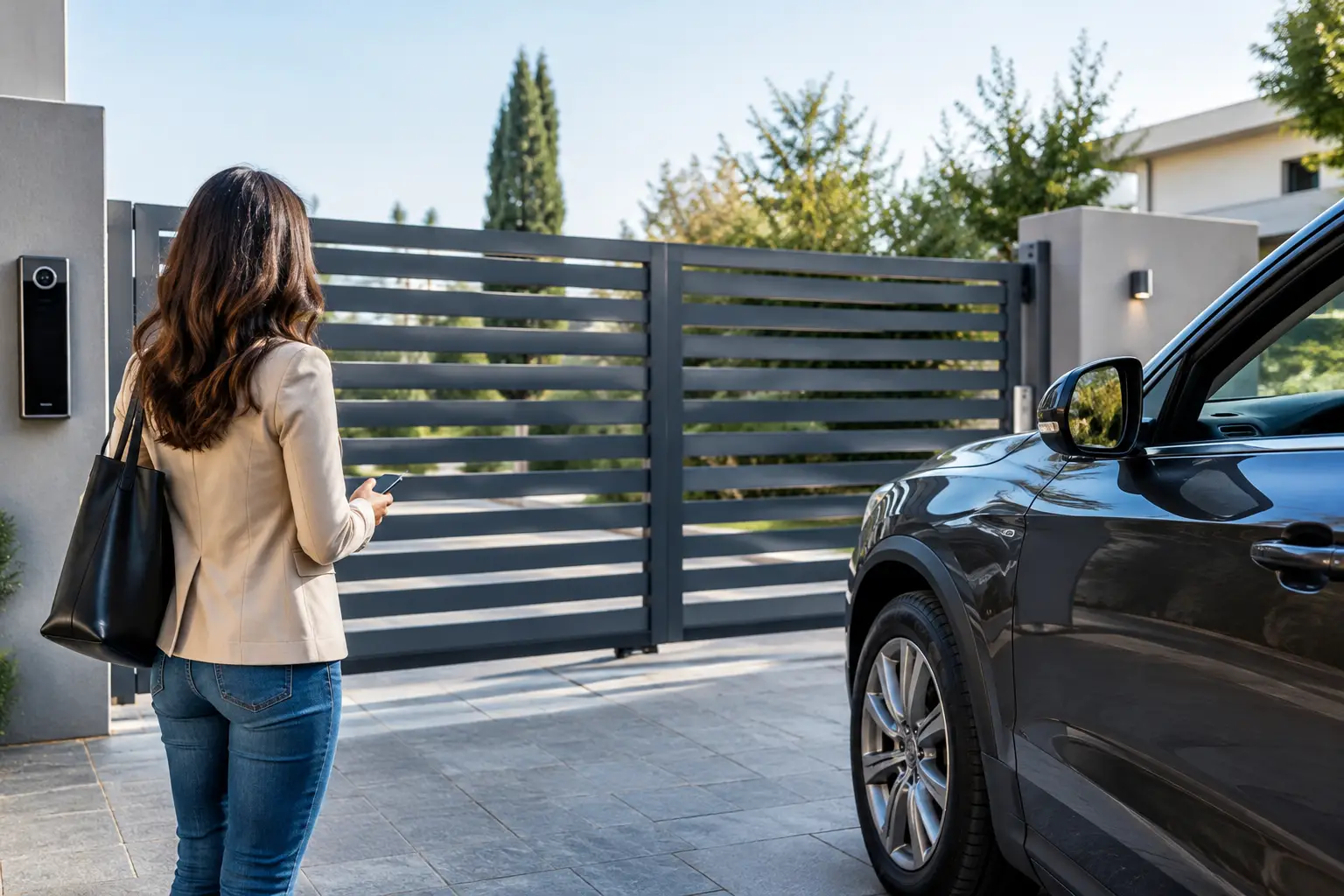
Access control should be planned early too. An intercom, keypad, remote opening or vehicle detection system affects cable routes, pillar dimensions and the visitor experience. Designing these elements together produces a cleaner, more reliable result than adding equipment after the gate has been installed.
Design for the property, not just the planning limit
The most successful entrances do not simply build to the maximum permitted height. They balance privacy, security, kerb appeal and the way the driveway is used every day. A lower, open-style gate may preserve visibility on a busy road, while taller solid sections set back from the entrance can create more privacy around the garden or parking area.
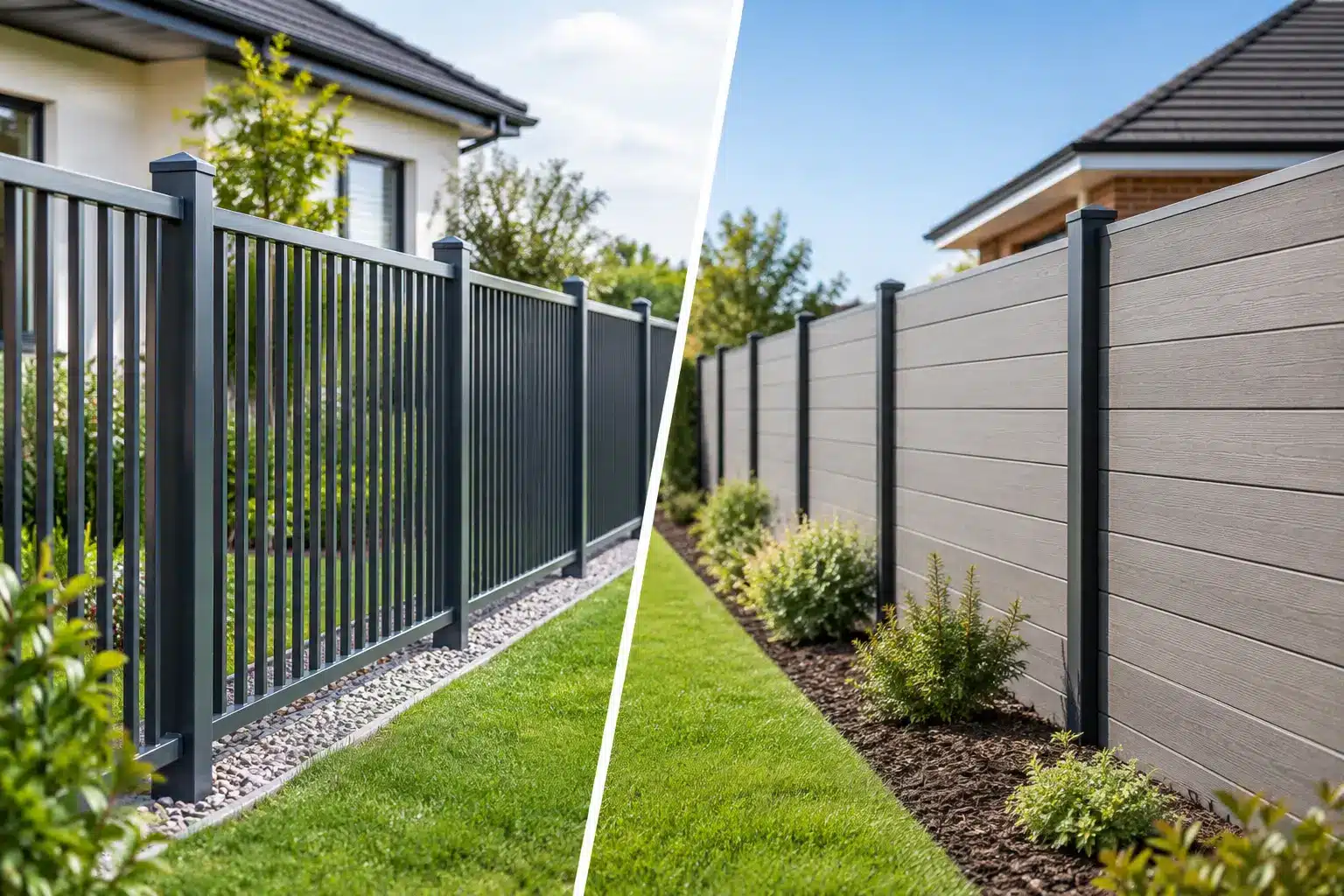
Colour and finish deserve equal attention. Powder-coated aluminium gives a refined, durable surface that can coordinate with fencing, pedestrian gates, garage doors and window frames. A cohesive scheme gives the property a considered architectural finish rather than the appearance of separate upgrades completed over time.
At Alu-Gate, bespoke fabrication allows the gate format, dimensions, infill pattern and finish to be specified around the site, not forced into an off-the-shelf size. That matters when planning constraints, restricted driveway depth or an unusual boundary line demand precision.
Before committing to a design, confirm the planning position with your local authority or a qualified planning professional where needed. Then choose a gate built for the way your property works – secure when closed, safe in operation and designed to look right for decades, not just the day it is installed.