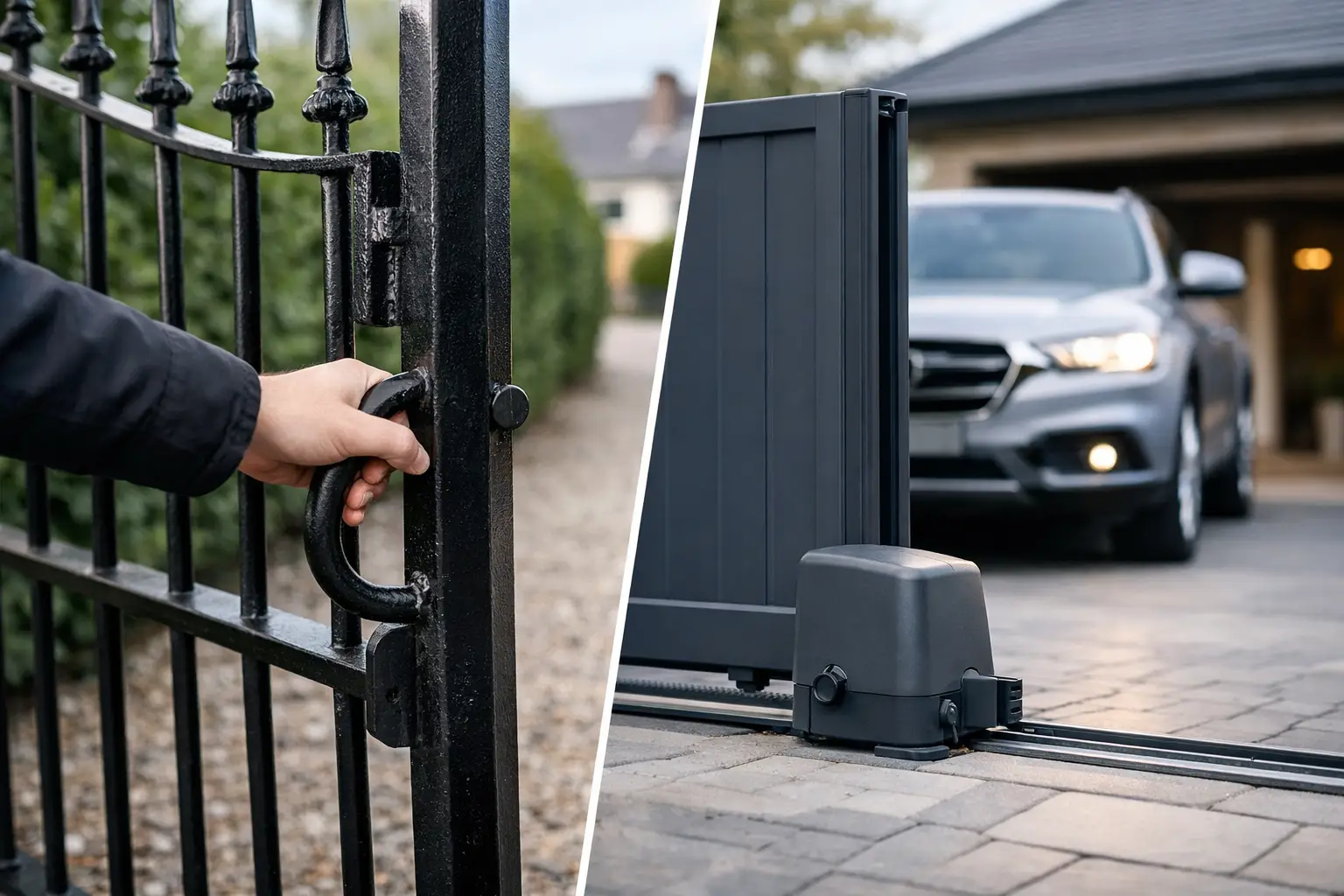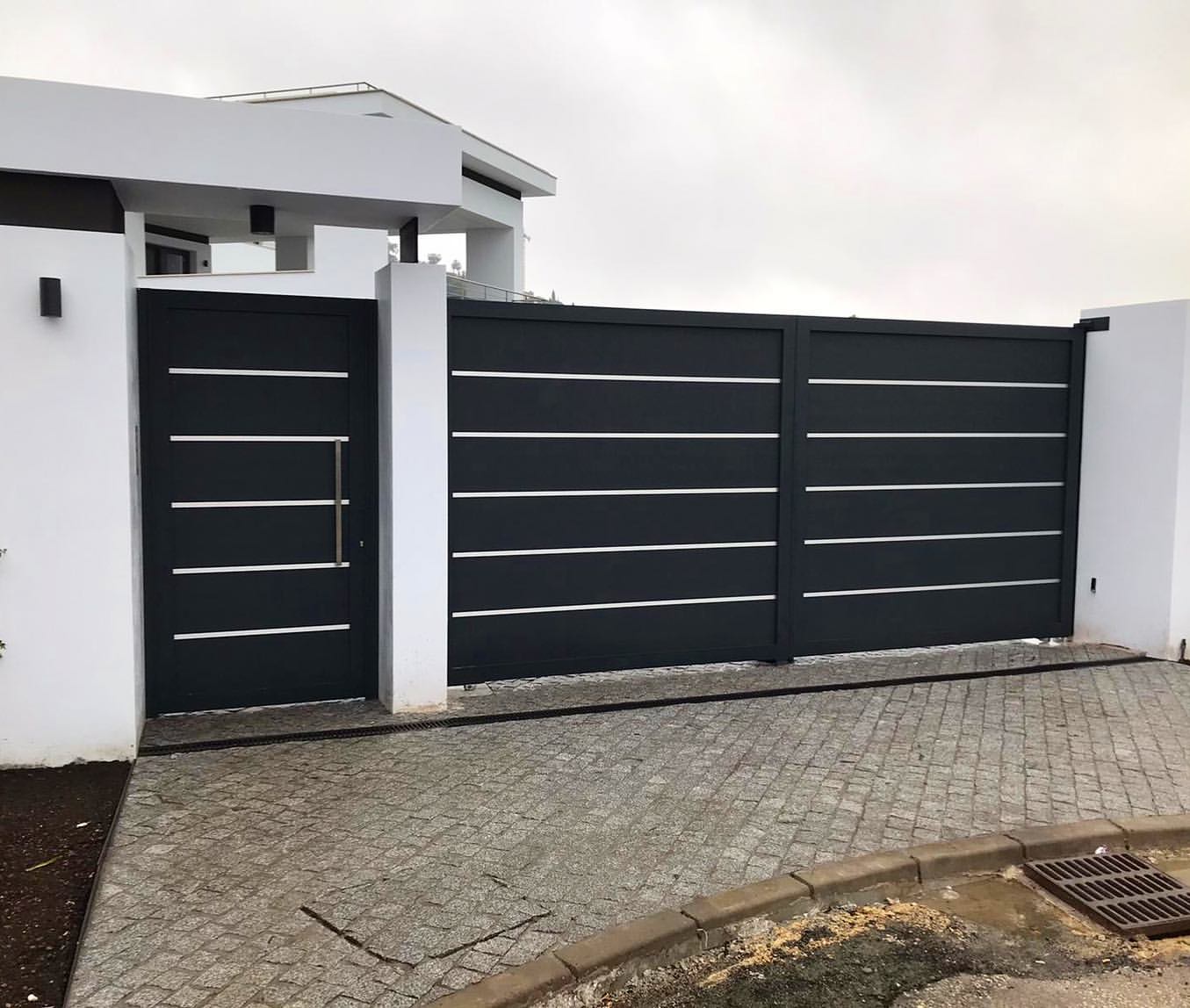
How Long Do Aluminium Gates Last?

How Long Do Aluminium Gates Last?

A gate usually starts to show its true quality after a few British winters. Timber can swell, crack or demand another round of sanding and paint. Steel can look solid for years, then rust begins to creep in at joints and edges. So when homeowners and commercial buyers ask how long do aluminium gates last, what they are really asking is whether they can invest once and trust the result to keep performing.

The short answer is that a well-made aluminium gate can last for decades. In many cases, 20 years is a realistic expectation, and premium systems built with the right grade of aluminium, high-quality welding and a durable powder-coated finish can continue performing well beyond that. The difference is rarely the material alone. It comes down to how the gate is designed, fabricated, finished, installed and used.

How long do aluminium gates last in real conditions?

In UK conditions, a quality aluminium gate should comfortably outlast many timber alternatives and compete very strongly with steel, without the same maintenance burden. Aluminium does not rust, which gives it a major advantage in a climate defined by rain, fluctuating temperatures and damp air.

That does not mean every aluminium gate on the market will deliver the same lifespan. A lightweight, poorly assembled gate made to hit a price point is not comparable to a bespoke, fully welded system designed for daily use. The material may be aluminium in both cases, but the long-term result can be very different.

For most residential properties, a premium aluminium driveway or pedestrian gate should offer decades of reliable service when it is correctly specified and maintained. For commercial settings, where usage is often heavier and automation cycles are higher, lifespan still remains excellent, but hardware, motors and access control components may require attention sooner than the gate leaf itself.

Why aluminium lasts so well

Aluminium earns its reputation because it solves some of the main reasons gates fail. It is naturally resistant to corrosion, it is lightweight compared with steel, and it is stable enough to cope well with changing weather conditions.

That lower weight matters more than many buyers realise. A heavy gate places greater strain on hinges, posts, tracks and automation systems. Over time, that extra load can lead to sagging, misalignment and more frequent servicing. Aluminium reduces that stress while still allowing for a strong, secure gate when the profile design and fabrication are handled properly.

It also avoids one of the biggest frustrations associated with timber. Wood is an attractive material, but it moves with moisture and temperature. It can twist, warp and deteriorate if maintenance slips. Aluminium is far more predictable. Once installed, it keeps its shape well and does not ask for ongoing repainting or treatment just to remain presentable.

The biggest factors that affect lifespan

If you want a realistic answer to how long aluminium gates last, you need to look beyond the brochure claim. Several factors have a direct impact on longevity.

Build quality

This is one of the most important. A bespoke gate fabricated with premium-grade aluminium and precision welding will generally last much longer than a mechanically joined gate made from lighter sections. Fully welded construction creates a stronger, more rigid structure with fewer weak points over time.

For wider driveway gates, sliding systems or large commercial entrances, that structural integrity becomes even more important. Bigger openings demand more from the gate, so the quality of fabrication cannot be an afterthought.

Surface finish

The finish protects the gate and keeps it looking sharp. A high-quality powder coating, properly applied to a well-prepared surface, stands up far better to weather, UV exposure and everyday wear than cheaper finishing methods.

In practical terms, this affects both lifespan and appearance. The gate may remain structurally sound for many years, but if the finish fades, chips or degrades early, the product will not feel premium for long. Buyers investing in a design-led entrance solution should expect both durability and lasting visual quality.

Installation

Even an excellent gate can underperform if it is badly installed. Posts need to be correctly specified, foundations need to suit the size and weight of the gate, and the opening must be accurately set out. Poor alignment creates ongoing stress on hinges, locks, rollers and motors.

This is especially relevant for automated gates. Automation adds convenience and security, but it also introduces moving parts that rely on precise installation. If the gate is not running true from day one, wear will build faster.

Environment

Not every site places the same demands on a gate. A sheltered suburban driveway is different from an exposed coastal property or a busy commercial entrance with frequent daily cycles. Coastal environments can be harsher on finishes and hardware because of salt in the air. High-traffic sites naturally create more wear on moving components.

The good news is that aluminium remains a very strong choice in tougher environments, but the specification should reflect the setting. This is where a consultation-led approach makes a real difference.

What tends to wear out first?

When people ask about lifespan, they often assume the gate itself and all of its components age at the same rate. In reality, the aluminium structure usually outlasts the parts attached to it.

Hinges, locks, latches, rollers, track systems, motors and intercom equipment all have their own service life. On an automated gate, the motor and control hardware may need servicing or replacement long before the aluminium frame has reached the end of its life. That is not a flaw in the gate material. It is simply the reality of mechanical and electronic systems doing regular work.

This is why a premium gate should be seen as a system rather than a single product. Strong fabrication provides the foundation, but hardware quality and correct specification matter just as much if you want long-term reliability.

How much maintenance do aluminium gates need?

One of aluminium’s strongest selling points is low maintenance. That does not mean no maintenance at all, but it is far less demanding than timber and generally simpler than steel.

For most properties, occasional cleaning with mild soapy water is enough to keep the finish in good condition. In coastal or high-pollution areas, cleaning may need to be a little more frequent. It also makes sense to check hinges, fixings, locks and automation components periodically so that small adjustments can be made before they become larger issues.

The key point is that aluminium gates do not require the cycle of scraping, repainting and preservative treatment that many timber gates do. For buyers who want a premium entrance without adding another maintenance project to the calendar, that matters.

Aluminium vs timber and steel for longevity

Timber has natural character, but its lifespan depends heavily on upkeep. Without regular care, deterioration can set in much sooner than expected. Even when maintained properly, movement in the material can affect operation and appearance over time.

Steel is undeniably strong, but unless it is exceptionally well protected and maintained, rust is always the long-term concern. In the UK climate, that can become expensive and inconvenient.

Aluminium sits in a very attractive middle ground. It delivers strength, modern aesthetics and excellent corrosion resistance, while keeping maintenance low. For design-conscious property owners, that combination is hard to ignore. It offers the premium look many buyers want, with a more practical ownership experience over the long term.

Is a guarantee a good indicator of lifespan?

A strong guarantee can tell you a great deal about how confident a manufacturer is in its product. It should never be the only factor you rely on, but it is a useful sign of expected durability.

If a company is prepared to stand behind its gate for 20 years, that suggests the material, finish and fabrication have been chosen with long-term performance in mind. It also shows a level of accountability that cheaper, off-the-shelf products often cannot match.

That is why premium buyers should ask not just how long the gate should last, but what backs up that claim. At Alu-Gate, the emphasis on bespoke design, precision welding and a 20-year guarantee reflects exactly the kind of confidence that serious buyers should look for.

When is aluminium the right long-term choice?

If you want a gate that looks refined, performs reliably and does not become a recurring maintenance job, aluminium is one of the strongest long-term options available. It is particularly well suited to driveway gates, pedestrian gates and coordinated entrance systems where appearance matters as much as security.

It also makes sense for buyers who want a made-to-measure solution rather than something generic. A gate that is tailored to the property, fabricated to a high standard and matched to the right access system is far more likely to deliver the lifespan you expect.

The better question is not simply how long do aluminium gates last. It is whether the gate you choose has been built to justify that lifespan. Premium materials, fully welded construction, quality finishing and expert specification are what turn a good-looking gate into a lasting investment.

Choose well, and your gate should not just survive the years ahead. It should continue to add security, presence and value to the property long after cheaper alternatives have needed replacing.

Aluminium vs Wooden Driveway Gates

Aluminium vs Wooden Driveway Gates

A driveway gate makes its point before anyone reaches the front door. It sets the tone for the property, frames the entrance and quietly signals how seriously you take security, privacy and design. That is why the question of aluminium vs wooden driveway gates is not just about materials. It is about how you want your entrance to perform over the next ten, fifteen or twenty years.

Both options can look impressive. Both can be made to suit traditional and contemporary homes. But they behave very differently once exposed to British weather, daily use and the practical demands of real life. If you are choosing for a home renovation, self-build or commercial entrance, the right answer usually comes down to priorities rather than appearance alone.

Aluminium vs wooden driveway gates – what changes over time?

At first glance, timber often wins on familiarity. It has warmth, natural grain and a classic character that suits period properties especially well. A well-made wooden gate can look substantial and elegant when it is first installed.

The issue is what happens next. Wood is a living material. It expands, contracts, absorbs moisture and reacts to changing temperatures. In the UK, where rain, frost and damp conditions are a routine part of the year, that matters. Over time, even attractive hardwood gates can begin to warp, crack, swell or require ongoing treatment to stay looking their best.

Aluminium is different by design. It does not rot, it does not absorb moisture and it remains dimensionally stable in conditions that regularly challenge timber. That stability affects more than appearance. It influences how smoothly the gate opens, how well it works with automation and how much attention it needs over its lifespan.

For buyers who want a gate to look sharp in year one and still perform properly years later, aluminium has a clear practical advantage.

Appearance and kerb appeal

Style is often where timber makes its strongest case. Natural wood has a richness that many homeowners still associate with prestige. On cottages, country homes and some heritage-style properties, timber can feel like the obvious fit.

That said, aluminium is no longer limited to plain, utilitarian designs. Modern fabrication and finishing have changed expectations. A made-to-measure aluminium gate can be produced in clean contemporary lines, more traditional formats and even wood-effect finishes that bring warmth without the maintenance burden of real timber.

The bigger difference is consistency. Wood tends to age unevenly unless it is carefully maintained. Sunlight, rain and general wear can alter the colour and surface finish, particularly on exposed entrances. Aluminium holds its finish far more reliably, which is valuable if you want the gate, fencing and wider frontage to keep a refined, coordinated appearance.

For design-conscious buyers, that consistency is part of the appeal. A premium entrance should still feel premium after years of use, not just on installation day.

Maintenance is where the gap widens

This is often the deciding factor.

Wooden driveway gates need regular care. Depending on the timber, finish and exposure level, that can mean staining, painting or sealing to protect against moisture and UV damage. Hinges and fixings also need monitoring because the gate leaf can shift in weight and alignment as the timber responds to the weather.

Some owners do not mind that upkeep. If you enjoy maintaining timber and accept that it is part of ownership, wood can still be the right choice. But many buyers want the look of a premium gate without adding another repeat job to the maintenance list.

Aluminium is built for that kind of ownership. A quality powder-coated finish needs very little beyond occasional cleaning. There is no sanding back, no repainting cycle and no concern about rot setting in from the bottom rail upwards. For busy households and commercial sites alike, low maintenance is not a minor convenience. It is a long-term saving in time, disruption and cost.

Security and strength

Driveway gates are not only there to look good. They need to define the boundary, control access and give the property a stronger sense of protection.

Timber can be strong, especially when built from substantial sections, but its performance depends heavily on ongoing condition. If the material begins to split or weaken with age, security can be compromised. Wooden gates can also become heavier over time if moisture content changes, putting strain on posts, hinges and motors.

Aluminium offers an excellent balance of strength and weight. It is lighter than steel, yet still highly durable when properly engineered. That lighter weight is particularly important for automated systems, where smoother operation and reduced strain on motors can improve reliability over time.

Fully welded aluminium construction also brings a cleaner, more rigid result than gates assembled with multiple mechanical joints. For buyers who want a gate to feel secure, precise and purpose-built rather than simply decorative, that engineering standard makes a real difference.

Aluminium vs wooden driveway gates for automation

If you are considering electric operation, intercom access or a fully integrated entrance system, material choice becomes even more important.

Wooden gates can be automated, but they are less predictable over time. Changes in moisture levels and weight distribution can affect alignment and movement, leading to more adjustments and potential stress on the automation equipment. That does not mean timber cannot work, but it does mean the installation has less tolerance for movement and material change.

Aluminium is better suited to modern automated entrances because it is lightweight, stable and consistent. Whether you are specifying swing gates, sliding gates or a more specialist format, that stability supports cleaner operation and more dependable performance. It also gives you greater confidence if the entrance is being used frequently, whether at a private residence or a commercial property.

For many buyers, the gate is no longer a standalone feature. It is part of a wider access solution. In that context, aluminium is usually the smarter technical choice.

Lifespan and long-term value

The purchase price is only one part of value. A gate that costs less upfront but needs regular treatment, repairs or earlier replacement can become the more expensive option in practice.

Wooden gates vary hugely depending on timber species, build quality and exposure. A high-quality hardwood gate will generally outlast softwood, but both still depend on consistent maintenance to reach their best lifespan. Neglect that maintenance and deterioration can arrive far sooner than expected.

A premium aluminium gate is a different investment. The upfront cost can be higher than some timber alternatives, but the long-term ownership picture is typically stronger. Lower maintenance, resistance to rot, stable performance and a durable finish all contribute to better value over time.

That matters most to buyers who are planning carefully and want to get the decision right once. If the goal is to install a gate that continues to justify its cost year after year, aluminium is hard to beat.

When wood still makes sense

There are cases where timber remains the right fit.

If you are restoring a period property and want a very specific traditional look, natural wood may suit the architecture best. If you are committed to maintaining it properly and you appreciate the way timber develops character over time, those are fair reasons to choose it.

It is also true that not every project needs the same level of longevity, finish stability or automation compatibility. For some settings, the appeal of real timber outweighs the extra care it demands.

The key is to make that choice with a clear view of ownership. Timber is rarely the low-effort option, even when it is the visually appealing one.

Why many UK buyers now choose aluminium

For most modern residential and commercial projects, aluminium aligns better with what buyers actually want. They want a gate that enhances kerb appeal, strengthens security, works smoothly with automation and does not create an ongoing maintenance commitment.

They also want design flexibility. Bespoke aluminium gates can be tailored to the property rather than forcing the property to work around a standard product. Size, configuration, infill style, finish and access requirements can all be specified with far more control than many people expect.

That combination of aesthetics and practical performance is why aluminium has become the preferred option for premium entrances. At Alu-Gate, that is exactly where the focus sits – made-to-measure aluminium systems that are designed to impress and built to last.

If you are choosing between aluminium and wood, it helps to think less about the first impression and more about the fiftieth. The best driveway gate is the one that still looks right, works properly and feels worth the investment long after the installation is complete.

Are Aluminium Driveway Gates Worth It?

Are Aluminium Driveway Gates Worth It?

A driveway gate can transform the front of a property – or become an expensive frustration if the material is wrong. That is why one of the most common questions we hear is simple: are aluminium driveway gates worth it? For many UK property owners, the answer is yes, but only when the gate is designed properly, made to measure and specified for the way the entrance is actually used.

This is not just about appearance. A driveway gate has to cope with weather, daily use, security demands and the visual standard of the property it sits in front of. If you are comparing aluminium with timber or steel, the real question is not just what it costs now, but what it will look like, how it will perform and what it will ask of you over the next 10 to 20 years.

Are aluminium driveway gates worth it for long-term value?

If you are looking purely at headline purchase price, aluminium can sit above some timber options and compete closely with quality steel depending on the design, automation and finish. But premium gates should never be judged on purchase price alone. Long-term value comes from durability, stability, maintenance needs and how well the gate keeps its finish over time.

Aluminium performs strongly because it does not rust in the way steel can, and it does not absorb moisture and swell, crack or rot in the way timber often does. In the UK climate, that matters. Wind, rain and fluctuating temperatures are hard on entrance gates, particularly on exposed driveways. A material that holds its shape and finish with minimal upkeep quickly becomes more attractive when you factor in repainting, repairs and earlier replacement.

For homeowners investing in kerb appeal, aluminium also tends to hold its visual standard well. A premium powder-coated finish and a well-engineered welded frame can continue to look sharp for years rather than starting to feel tired after a few winters.

The biggest advantages of aluminium gates

The strongest case for aluminium usually comes down to three things: low maintenance, lasting appearance and practical performance.

Low maintenance is often the deciding factor. Timber can look superb when first installed, but keeping it that way takes work. Sanding, staining, painting and dealing with movement are all part of ownership. Steel is strong, but any damage to the coating can create a weak point for corrosion. Aluminium is far less demanding. In most cases, regular washing and occasional checks are enough to keep it looking its best.

Weight is another major advantage. Aluminium is lighter than steel, which can reduce strain on hinges, posts and automation systems. That lighter weight can make a meaningful difference on larger driveway entrances or installations with frequent daily use. It also opens up design possibilities where a heavier material may require more substantial structural support.

Then there is design flexibility. Aluminium suits a wide range of properties, from contemporary self-builds to upgraded period homes where a cleaner, more refined entrance is needed. With made-to-measure fabrication, it can be tailored to suit sliding, swing, bi-folding or telescopic layouts, along with matching fencing and pedestrian access.

Where aluminium makes more sense than timber or steel

There is no perfect gate material for every project. The right choice depends on the property, the look you want and how much ongoing maintenance you are willing to accept.

Timber still appeals to buyers who want a more traditional aesthetic and are comfortable with regular upkeep. It can be a beautiful choice, especially on rural properties. The trade-off is consistency. Timber changes over time, and not always in ways the owner wants. Exposure, moisture and sunlight all affect how it wears.

Steel is often chosen for strength and presence, particularly on more ornate designs or commercial settings. But strength on paper is not the whole story. If you do not want the maintenance demands and corrosion risk that can come with steel, aluminium often becomes the more practical premium option.

For many modern UK homes, aluminium sits in the sweet spot. It delivers a high-end finish, strong structural performance and lower ownership demands without the heaviness and maintenance burden of traditional materials.

Are aluminium driveway gates worth it for security?

A driveway gate is not a standalone security solution, but it is an important part of one. Aluminium can provide excellent perimeter security when the design, locking method, access control and installation are handled properly.

What matters most is not simply the material itself, but the full specification. A well-made aluminium gate with a fully welded construction, quality posts, reliable hinges or track system and the right automation can provide a strong physical and visual deterrent. Add controlled entry through an intercom or access system, and the gate becomes a serious upgrade in how the property is managed day to day.

This is especially relevant for larger homes, shared entrances and commercial premises where ease of access and controlled entry need to work together. The gate needs to look impressive, but it also needs to open reliably, close securely and cope with repeated use.

What can affect whether they are worth the investment?

Not all aluminium gates deliver the same result. This is where buyers need to look beyond the word aluminium and pay attention to how the gate is actually built.

Fabrication quality matters. A made-to-measure gate with precision welding and a properly engineered frame will behave very differently from a lighter-duty, modular or poorly specified product. Finish quality matters too. A premium coating system is essential if you want the gate to retain its appearance.

Design choice also affects value. A gate that suits the opening width, ground levels, access pattern and automation setup will work better and last longer. Choosing swing gates on a difficult gradient, for example, can create compromises that a sliding or bi-folding system would avoid. This is where consultation-led design becomes worth its weight in gold.

The other variable is expectation. If you want the cheapest possible gate, aluminium may not always be the answer. If you want a bespoke entrance feature that combines style, reliability and low maintenance over the long term, it becomes a very strong contender.

Cost versus ownership: the question most buyers really mean

When people ask if aluminium driveway gates are worth it, they usually mean one thing: will I feel this was money well spent in five or ten years?

That depends on how you define value. If value means the lowest upfront spend, then no premium made-to-measure gate will win that argument. But if value means fewer maintenance headaches, a finish that continues to enhance the property, and a gate system that is built around your exact opening and usage, aluminium makes a compelling case.

It is particularly attractive for buyers who are already investing in the wider appearance and performance of a property. A well-designed driveway, quality landscaping and a tired or high-maintenance gate do not sit comfortably together. Aluminium offers a more complete solution – one that feels considered rather than temporary.

For commercial buyers, the logic can be even clearer. Reduced maintenance, dependable operation and a professional appearance all matter when entrances are part of daily site management.

When aluminium may not be the right choice

A premium material still has to suit the brief. If your priority is a very specific traditional timber look and you genuinely do not mind ongoing maintenance, timber may still be the better fit aesthetically. If the project demands an especially heavy industrial style, steel may be preferred in some cases.

There is also a difference between standard aluminium gates and bespoke premium systems. If the product is under-engineered, poorly finished or not suited to the opening, you will not get the benefits aluminium is known for. Material choice is only one part of the result.

That is why specification should come before assumption. The best gate is the one that fits the property, the access needs and the standard you expect to live with every day.

The verdict for UK property owners

For most homeowners and commercial buyers looking for a premium entrance solution, aluminium driveway gates are worth it. They combine strong visual impact with low maintenance, weather resistance and long-term reliability in a way few alternatives match. When they are custom made, properly finished and specified to suit the site, they offer the kind of ownership experience that feels as good after installation as it does on day one.

At Alu-Gate, that is exactly why aluminium remains the material of choice for so many bespoke entrance projects. Designed to impress. Built to last.

If you are weighing up materials, do not just ask what the gate costs. Ask how it will perform, how it will age and whether it will still feel right every time you arrive home a decade from now.

Bespoke aluminium gates, fencing and doors company of the year

Alugate aluminium gates award

We are delighted to announce we have been awarded bespoke aluminium gates, fencing and doors company of the year, a true accolade of our commitment to providing bespoke, quality aluminium gates and fencing to our customers across the UK.

Alugate aluminium gates award

Our welded gates are like no others in the UK.  At Alugate our welded aluminium gates use 3mm aluminium profiles so they’re extremely strong, which means we can manufacture larger gates; up to a 10m opening on swing gates and 8m on a sliding gate. Our innovative manufacturing processes combine an internal weld so that water is not retained, a 3-step sanding process ensuring a smooth surface that is perfect for powder coating and super durable Qualicoat class 2 powder coating so they are fully resistant.

We pride ourselves on being able to manufacture almost any style of gate or fencing bespoke to our customers’ needs. Whether that is a flat top gate, an arch top gate, a steel style gate or a unique design created by a customer or architect or to match a design they might have seen – we can make almost any design a reality and create the perfect gate.

Alugate aluminium gates are custom made and we also offer a free bespoke design service. With a 10-year warranty, an aluminium gate from Alugate will stand the test of time.

Aluminium gate options

alugate-Grinon-gate-collection-brochure-image

Aluminium gates are an increasingly popular choice when choosing a new gate. There are so many different options available now, but how do you choose and what are the benefits of each?

Like any type of gate, aluminium gate prices vary considerably depending on the options you choose.

Aluminium as a raw material is generally more expensive than steel but because aluminium has outstanding strength and durability, a gate made in aluminium will last you far longer. So whilst it is an investment it will have a longer lifespan than a traditional wooden or steel gate, it won’t need any maintenance and because it is lighter than steel or wood there will be less stress on your automation so that should last you longer too.

There are many types of aluminium gates available from bolted, welded and bolted, bonded and bolted to fully welded aluminium gates and in different profile thicknesses too. A bolted gate will cost less than a fully welded gate because of the manufacturing process. A bolted gate also isn’t as strong as a fully welded gate.

The thickness of the profile used to make the gates will also impact on price. A thicker profile means more aluminium and therefore a higher price but also a stronger and more robust gate.

When buying an aluminium gate the saying ‘you get what you pay for’ really comes into it’s own. If you want an aluminium gate that will last a lifetime then a fully welded gate with a 3mm profile is the perfect choice.

Aluminium gates – 5 reasons

The professionals choice

We use only the very best materials, combined with precision TIG welding and super-durable Qualicoat Class 2 powder coating, delivering exceptional resistance to corrosion and long-lasting performance – so you receive the very best gates.

All components are colour matched as standard for a seamless finish. Hinges are fully welded into the gate frame, ensuring strength, reliability, and a clean, refined appearance.

Maintenance free

No painting or varnishing here – all you need to do it wash down with soapy water every now and again (we recommend once a month).

Strong and durable

Our gates use 3mm aluminium profile and are fully welded aluminium products which makes them much stronger than any other type of aluminium gate and perfect for automation. Aluminium gates will not rust like steel gates or warp or rot like wooden gates.  Our aluminium gates will stand the test of time, that’s why we offer a 20-year manufacturer’s warranty.

Cost effective

Aluminium gates are not as expensive as you might think, but ours are certainly more long lasting than others. You’ll not need to replace our gates for many years to come and they won’t need repainting or staining each year.

Because they are lightweight compared to steel gates or wooden gate alternatives, aluminium gates put less pressure on automation motors, so you’ll not need as heavy weight motors and your automation will last longer. All in all, saving you time and money in the long run!

Made for you

Each aluminium gate is custom designed for you – you choose the design and colour. All our gates are available in our standard RAL colours but you can choose any RAL colour you like.

If you can’t find a design to suit your specific requirements in our collection, we also offer a free bespoke design service. Just send us an image of the gate you like and we’ll do our best to make it for you!

Once an order is placed we’ll draw your design in CAD. This allows you to get an accurate idea of how the gate will look and also provides the technical information needed for installation.